Guides
LED Neon Flex: A Fabricator's Guide
Neon flex replaced glass neon almost entirely. It is easier in every way except one: the cut ends, which is where nearly every outdoor failure starts.
6 min readZiera INC
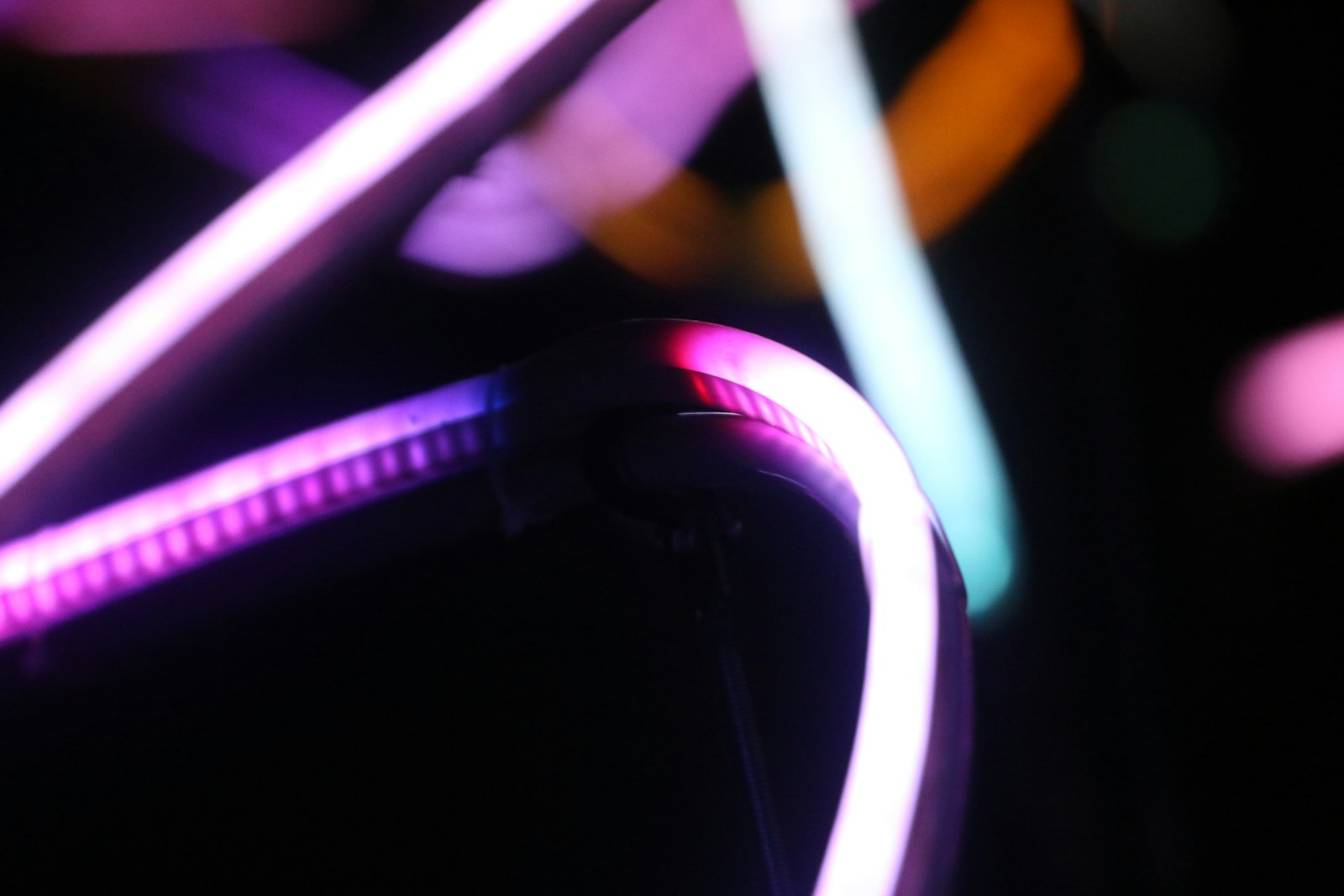
Glass neon needed a skilled glassblower, several thousand volts, and a willingness to replace the whole tube when someone knocked it. LED neon flex is a silicone or PVC extrusion with an LED strip sealed inside a diffusing wall. It bends by hand, runs on 12V or 24V, cuts to length on site and does not shatter. For signage and interior features it has replaced glass almost completely.
It is also easy to get wrong in ways that only appear months later, and almost all of those failures come down to two things: ordering the wrong bend direction, and not sealing the cut ends.
Side-bend or top-bend — decide before ordering
Neon flex bends in one plane only, and which plane is a product decision, not something you can work around on site.
- Side-bend (flat-bend) flexes in the plane of its face. Use it for lettering, logos, and any shape drawn flat on a wall or backing panel. This is what a neon sign needs.
- Top-bend (vertical-bend) flexes perpendicular to its face. Use it for running along an edge, over a curve, around a soffit or up a step nosing.
Cutting
Neon flex is cuttable only at marked intervals — commonly every 50mm to 100mm depending on the profile — because that is where the internal circuit allows a break. Cut anywhere else and you kill the segment between that point and the next feed.
The practical consequence is that lettering has to be set out against those intervals. A design with a 70mm stroke on a profile that cuts every 100mm cannot be built as drawn. Resolve this at artwork stage, not at fabrication.
Sealing — where outdoor signage actually fails
An IP65 or IP67 rating describes the extrusion as manufactured, with its ends closed. The moment you cut it, you have created an open end, and the rating no longer applies to that piece until you seal it.
- Cut cleanly and squarely at the marked point.
- Fit the correct end cap for the profile — not a generic one.
- Seal it with the adhesive specified for the material. Silicone flex and PVC flex need different adhesives, and using the wrong one gives a joint that looks sealed and is not.
- Allow it to cure fully before the sign is closed up or installed.
- Seal the cable entry into the sign body with equal care — a perfect end cap is pointless if water enters through the gland.
In UAE conditions this matters more than in temperate climates. Daytime heat expands the air inside the extrusion and night-time cooling contracts it, so an imperfectly sealed end actively draws in humid air and dust over each daily cycle. The section goes dim, then patchy, then dark.
Mounting
Neon flex holds its shape over short runs but sags over long horizontal ones, and summer heat softens the silicone enough to make that worse. Two approaches:
- Aluminium mounting channel for straight runs. Keeps the line true, takes the weight off any adhesive, and adds a heatsink.
- A routed or laser-cut backing panel for lettering and logos. The flex sits in a groove cut to its profile, which holds the letterform precisely and is the standard method for quality neon signage.
Mounting clips alone are adequate only for short interior runs. Relying on adhesive backing in an exterior UAE application is not a viable long-term fixing.
Choosing colour and control
- Single colour is the right choice for signage and architectural outlines. It is brighter, cheaper and more reliable than colour-changing flex, and a logo does not need to change colour.
- RGB suits feature walls and entertainment spaces where colour is the point.
- RGBW adds a dedicated white channel, so the installation still works as ordinary lighting when nobody wants colour. For anything in a living or hospitality space, this is the specification to choose over plain RGB.
- Warm white at 3000K reads closest to traditional warm neon. Cool white looks distinctly modern and slightly clinical — which may be exactly right for a tech or retail brand.
Voltage and run length
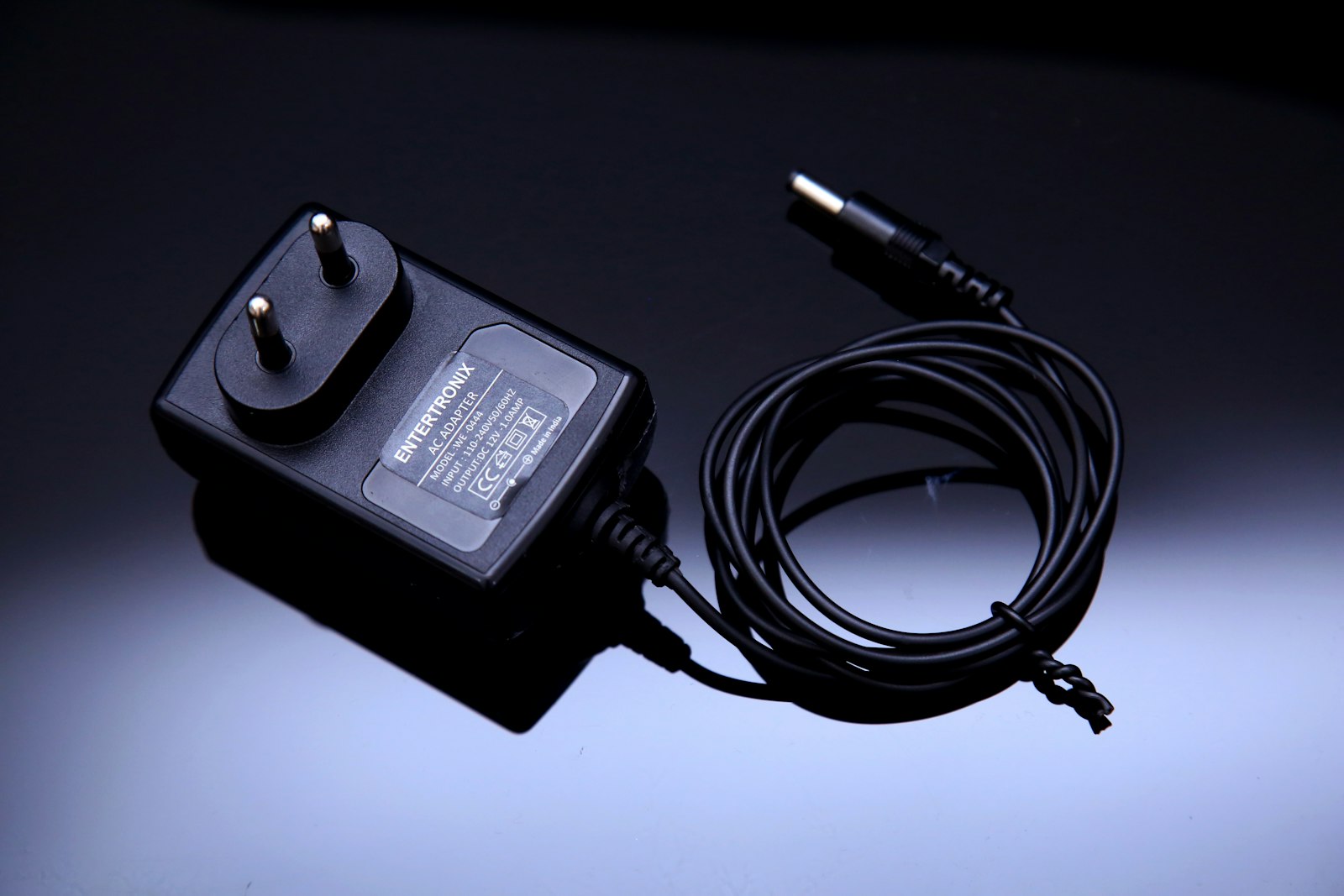
12V and 24V are both common; 24V is preferable for anything long because voltage drop is lower, which keeps brightness and colour consistent from one end of a sign to the other. A large sign is not one long run — it is several shorter strings fed from a driver with headroom, which also means one failed section does not take the whole sign out.
Where neon flex beats a strip in a profile
Neon flex and diffused strip-in-profile can look similar, but they suit different jobs. Neon flex bends in curves and letterforms, has a rounder and softer light body, and is self-contained and weather-sealed. Profile gives a crisper, flatter line, better heat dissipation and a wider choice of optics, but it only goes in straight lines and mitred corners.
In short: curves, letters and logos are neon flex. Straight architectural lines are profile.
From the catalogue
Neon flex and tube lighting
Side-bend and top-bend profiles in single colour, RGB and RGBW, with end caps, connectors, channel and matched drivers.
Browse neon flexQuestions
Frequently asked
- What is LED neon flex?
- A flexible silicone or PVC extrusion with an LED strip sealed inside and a diffusing outer wall, producing the continuous even glow of traditional glass neon. It runs on 12V or 24V DC, bends by hand, cuts at marked intervals and does not shatter, which is why it has replaced glass neon for signage and interior features.
- What is the difference between side-bend and top-bend neon flex?
- Side-bend flexes in the plane of its face, so it follows flat shapes — lettering, logos, anything drawn on a wall. Top-bend flexes perpendicular to its face, so it runs over edges, curves and soffits. The material only bends one way, so ordering the wrong type cannot be worked around on site.
- Can LED neon flex be cut to length?
- Yes, but only at the marked cut points, typically every 50–100mm depending on the profile. Cutting between marks kills the segment. This means lettering and runs have to be set out against those intervals at artwork stage rather than adjusted during fabrication.
- Why did my outdoor neon sign go dark in sections?
- Almost always an unsealed or badly sealed cut end. The IP rating applies to the extrusion as manufactured; a cut creates an open end that must be closed with the correct cap and adhesive. In UAE conditions the daily heat cycle actively draws humid air and dust through an imperfect seal, so the section fades and then fails.
- Should I use neon flex or LED profile for a feature line?
- Use neon flex for curves, letterforms and logos, where its ability to bend is the whole point. Use LED profile for straight architectural lines, where it gives a crisper edge, better heat dissipation and more optical choice. Neither substitutes well for the other.
Shop the categories