Guides
Commissioning Custom Lighting in Dubai: What Actually Happens
Bespoke lighting is less mysterious than it sounds. It is a fabrication process with predictable stages, predictable costs and two decisions that must be made early.
8 min readZiera INC
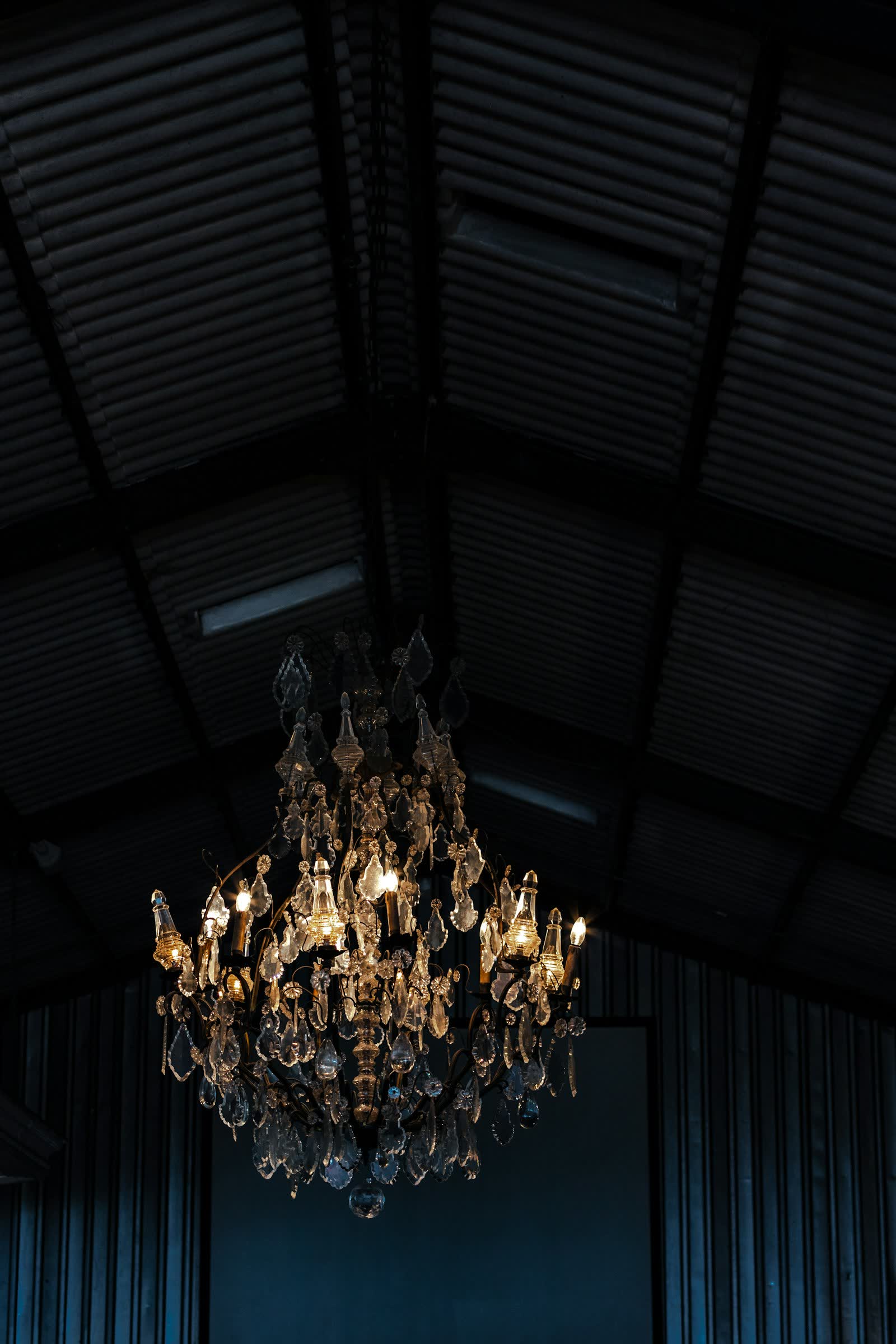
Most people assume custom lighting is a luxury decision — something you choose when the catalogue has been exhausted and money is not a constraint. In practice, it is often a practical one. Double-height voids, non-standard drops, awkward proportions and finishes that have to match existing ironmongery are all situations where a catalogue piece either does not exist or has to be compromised into place.
This is what a bespoke commission actually involves, in the order it happens.
When custom is the right answer
- The void is a non-standard height. A stairwell or double-height majlis needs a specific drop, and forcing a stock piece to fit means either an ungainly extension or a fitting that reads as too small.
- The proportions are unusual. Very long dining tables, narrow galleries and wide reception halls rarely match catalogue dimensions.
- The finish has to match something. Matching existing ironmongery, joinery metalwork or a specific brass or bronze tone is routine in custom work and impossible from stock.
- You need multiples that relate. Hospitality projects wanting a family of pieces — lobby, restaurant, corridor, guest room — that share a language but differ in scale.
- The design exists and the product does not. An architect's or interior designer's drawing that no manufacturer makes.
Conversely, if a stock piece fits the space and the brief, buy the stock piece. Custom costs more and takes longer, and there is no virtue in it for its own sake.
The process
1. Brief and site information
The useful starting point is a drawing or a reference image, plus the real dimensions of the space: void height, floor-to-ceiling, table or furniture dimensions, and the ceiling construction. A photograph of the space is worth more than a paragraph describing it.
2. Concept and quotation
Design development to a point where scale, materials, finish and light source are defined, and a price can be given against them. Expect to iterate here — this is the cheap stage to change things, and every change after fabrication starts is expensive.
3. Technical drawing and approval
A dimensioned drawing showing the piece, its fixing arrangement, its weight, and the electrical requirement. This is the document that goes to the contractor, and it is what the slab fixing gets designed against. It requires formal sign-off before fabrication.
4. Sampling
For anything where finish matters, a physical finish sample. Brass, bronze and powder-coat tones do not translate reliably from a screen or a printed swatch, and a finish disagreement discovered on a completed chandelier is the most expensive kind.
5. Fabrication
Metalwork, glass or shade production, finishing, electrical assembly and testing. Lead time depends overwhelmingly on the finish and any glass component, not on the size of the piece.
6. Delivery and installation
Large pieces arrive as components and are assembled in place. This needs access, working-at-height provision, and a fixing that has already been installed and verified — which is why the fixing is discussed at stage 3, not at stage 6.
The two decisions that must be made early
What drives the cost
| Factor | Effect | Notes |
|---|---|---|
| Finish | High | Hand-applied and antiqued finishes cost far more than standard powder-coat |
| Glass or crystal | High | Hand-blown components dominate both cost and lead time |
| Component count | High | A hundred small elements costs more than one large one, regardless of material |
| Overall size | Moderate | Less influential than most people expect |
| Quantity | Reduces unit cost | Tooling and setup amortise across a run — relevant for hospitality |
| Design iterations | Moderate | Cheap before technical drawing, expensive after fabrication starts |
Lead times
Lead times vary with complexity and finish, and any figure quoted in an article is a guess. What is reliable is the shape of the programme: concept and drawing take weeks rather than days; sampling adds a cycle; fabrication is the longest phase; and shipping and site access are frequently underestimated.
The practical advice is to start the lighting conversation at the same time as the joinery, not after it. Bespoke lighting is routinely commissioned too late, and the result is a piece that arrives after handover.
Working with a designer's drawing
Where an architect or interior designer has drawn a piece, the fabricator's job is to make it buildable — resolving weight, fixing, heat, serviceability and the light source itself without altering the design intent. Expect a technical dialogue at this stage; a drawing that has not been through it is a picture, not a specification.
Ziera manufactures bespoke pieces for UAE residential and hospitality projects and works from either a reference or a full design package. Send the drawing and the void dimensions and we will come back with a technical proposal and a price.
From the catalogue
Start a custom commission
Send us a drawing, a reference image, or just the dimensions of the space and what it needs to do.
Talk to usQuestions
Frequently asked
- How does commissioning a custom chandelier in Dubai work?
- Six stages: brief and site dimensions; concept design and quotation; a dimensioned technical drawing with fixing and weight details for formal approval; physical finish sampling; fabrication; then delivery and installation. The fixing arrangement is agreed at the drawing stage because it has to be installed long before the piece arrives.
- What makes custom lighting expensive?
- Finish and glass, more than size. Hand-applied or antiqued finishes and hand-blown glass components dominate both cost and lead time, and a piece made of many small elements costs more than one large simple form. Overall dimensions matter less than most people expect, and quantity reduces unit cost because setup amortises across a run.
- When should I choose custom over a catalogue chandelier?
- When the void height is non-standard, the proportions are unusual, the finish has to match existing metalwork, you need a family of related pieces across a project, or a design has been drawn that no manufacturer makes. If a stock piece genuinely fits the space and the brief, buy the stock piece.
- How far in advance should custom lighting be ordered?
- Start the conversation at the same time as the joinery rather than after it. Concept and technical drawing take weeks, sampling adds a cycle, fabrication is the longest phase, and site access is frequently underestimated. Bespoke lighting is most often commissioned too late and arrives after handover.
- Who is responsible for the fixing of a large chandelier?
- The fabricator supplies the weight and fixing requirement on the technical drawing; the contractor installs a slab fixing capable of carrying it. This has to happen before the ceiling is finished — retrofitting a structural fixing into a completed double-height ceiling is expensive and sometimes not possible at all.
Shop the categories