Guides
Specifying Hotel Lighting in the UAE
Hospitality lighting is judged on two things a residential project never has to consider: how it looks in a photograph, and whether you can still buy the same fitting in five years.
8 min readZiera INC
A hotel lighting specification has to satisfy constituencies a private residence never involves: the operator's brand standards, the photographer who shoots the property, the engineering team who maintain it for a decade, the finance team measuring energy cost per key, and the guest who wants to read in bed without getting up to find the switch.
Those requirements conflict, and the way they are resolved is what distinguishes a hospitality specification from a scaled-up residential one.
Two requirements that dominate everything
Continuity of supply
A hotel will replace fittings for as long as it operates. If a specified product is discontinued in two years, the property faces either a mismatched replacement in a public area or a full re-lamp of a zone. Before specifying, establish whether the product will remain available, whether spares can be held, and whether the supplier can commit to a batch reserve for the property.
Maintainability
Every fitting will be cleaned, re-lamped or replaced by an engineering team, often at night, often on a ladder, in an occupied building. A fitting requiring two people and a scaffold tower to service will not be serviced on schedule. Ask how it is accessed, how long a replacement takes, and whether it can be done from below.
Zone by zone
Lobby and arrival
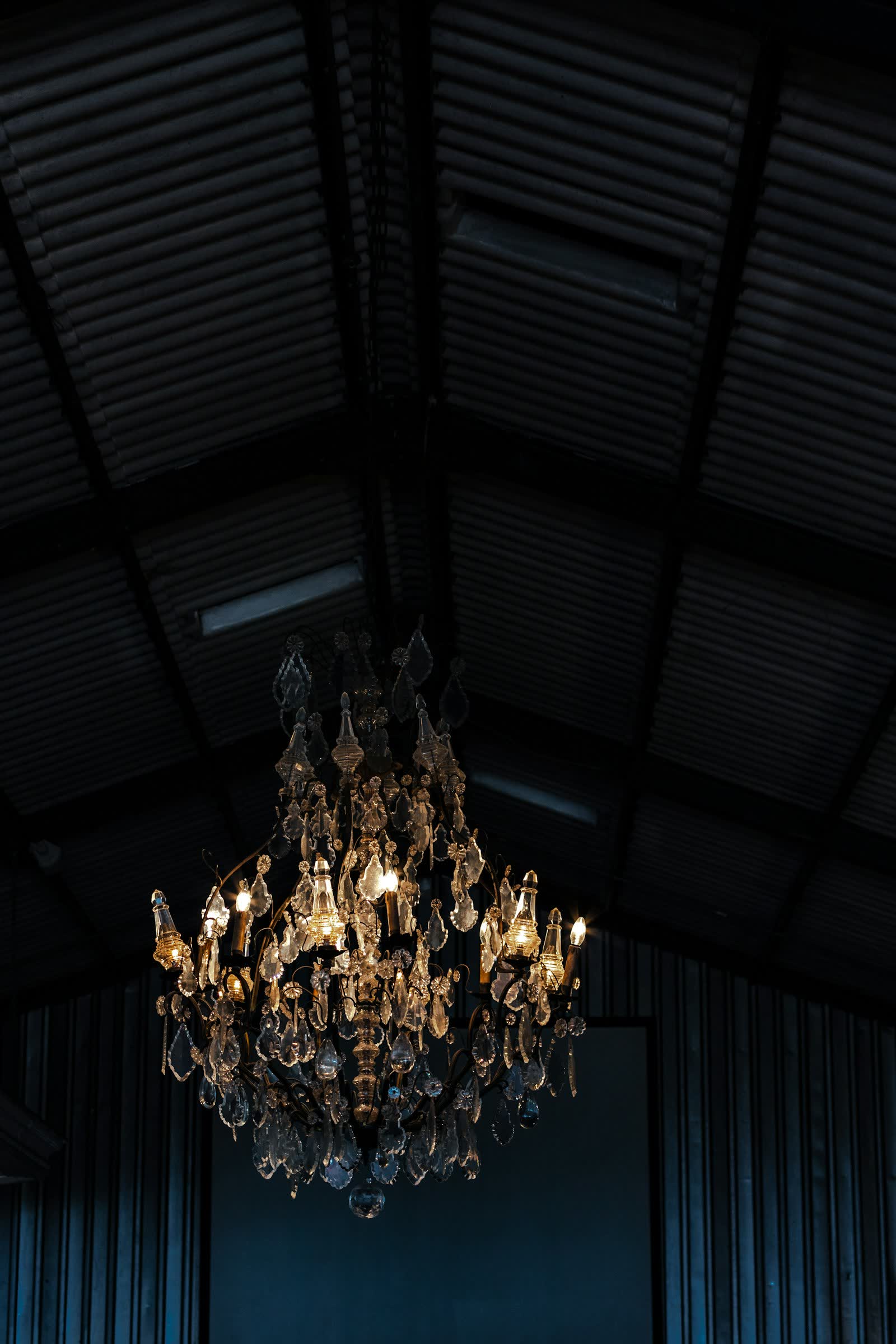
The property's signature space and the one most photographed. Needs a decorative statement piece scaled to the volume, layered architectural light behind it, and accent lighting on reception, art and materials. It also has to work in daylight and at night, which usually means tuneable or at least separately zoned circuits. Maintenance access for anything in a high void must be resolved at design stage, not handed to operations.
Restaurants and bars
Low ambient, high contrast, warm. Table lighting is the priority — light on the table and the food, not on the room. CRI 90+ is not optional where food is served. Dimming must be smooth to very low levels and reliably repeatable, because service changes the setting several times a day. Flicker matters here more than anywhere: guests photograph food, and low-frequency PWM shows on camera.
Guest rooms
The zone with the most guest-experience complaints and the most design decisions per square metre.
- Bedside control of every light in the room. A guest should never have to get out of bed to switch anything off — this is the single most common complaint in guest feedback.
- Adjustable reading lights at each side, positioned so light lands on the page and not on a sleeping partner.
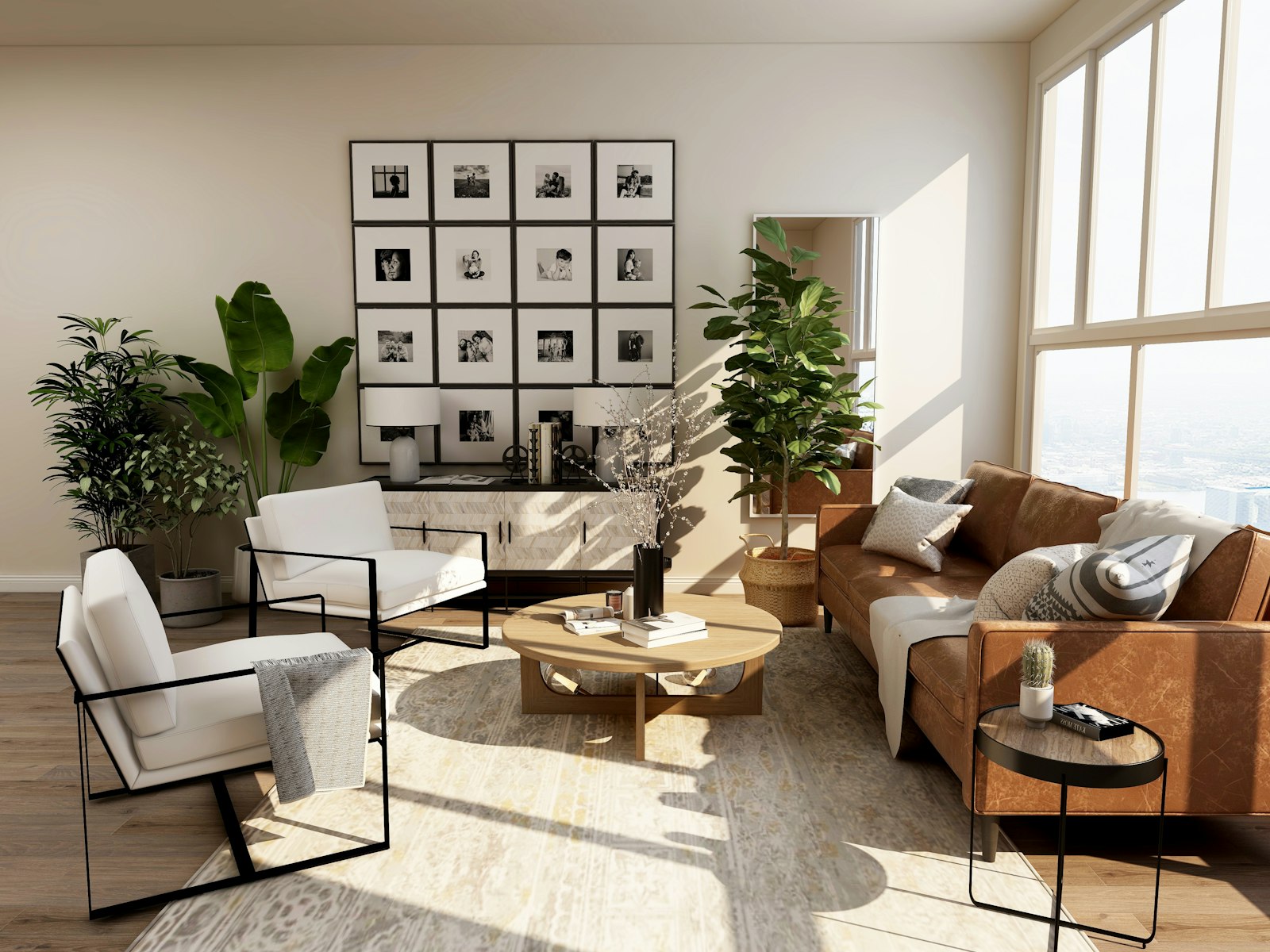
- Warm ambient at 2700–3000K, dimmed. A guest room at full output is unwelcoming.
- A desk or work position at higher output for guests working.
- Bathroom mirror lit from the sides at 4000K, CRI 90+.
- A low-level night path to the bathroom, on a sensor.
- Simple, legible controls. Anything requiring instructions has failed.
Corridors
Long, repetitive, and where colour and output inconsistency shows most brutally — a single mismatched fitting in a run of forty is immediately visible. Specify a single batch for a whole floor. Wall lighting reads far better than a line of downlights, and vertical light makes a corridor feel wider. Include a dimmed overnight setting; corridors at full output at 3am are both unpleasant and wasteful.
Ballroom and function
Must serve a conference at 500 lux and a gala dinner at 80 lux from the same installation. That means deep, smooth dimming, DALI-level control with stored scenes, and a decorative layer that looks correct at every level. Operations staff will use presets, so the scenes have to be commissioned properly and labelled clearly.
Spa and pool
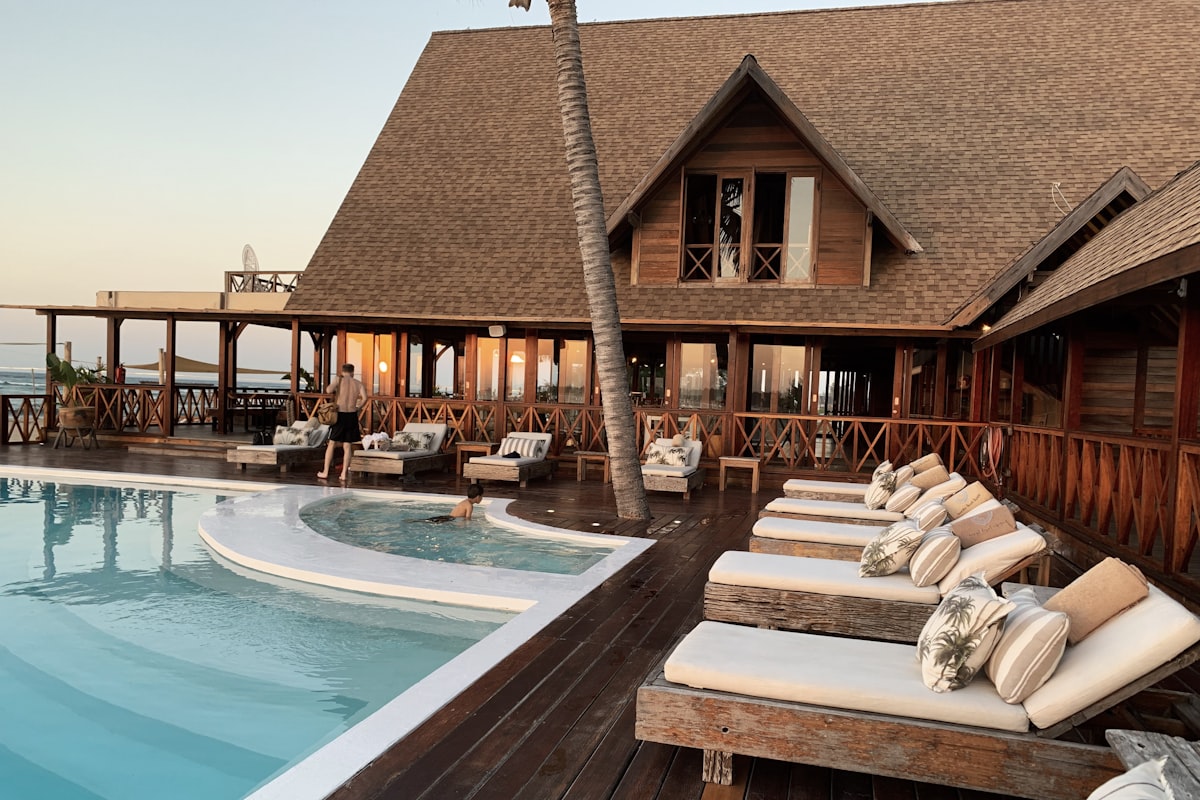
Warm, low, and heavily indirect — no direct downlight onto anyone lying face-up. Full IP ratings appropriate to a wet, chlorinated, humid environment, and corrosion-resistant housings. Spa lighting is judged almost entirely on glare control.
Controls
Public areas need scene control with stored presets, because staff change settings by time of day and cannot be expected to balance individual dimmers. DALI is the usual answer at that scale: it addresses each driver individually, so zones can be re-grouped in software when the operator changes how a space is used.
Guest rooms need the opposite — simplicity. Whatever the underlying system, the guest-facing interface should be obvious within three seconds and require no explanation.
Compliance and documentation
Hospitality projects carry a public liability exposure that residential work does not, and uncertified electrical product in a ceiling void is a materially different kind of risk. ECAS certification should be a stated requirement in the specification document, with certificates required at technical submittal — including for drivers and control gear, which are inside the regulated scope and are where cheap substitutions happen.
Request certificates at tender stage, while there is still time to change supplier, and check that each certificate's scope actually covers the model being supplied.
A specification checklist
- Continuity of supply confirmed, with a batch reserve agreed for the property.
- Maintenance access resolved for every fitting above reach.
- One batch per zone for colour consistency, particularly in corridors.
- CRI 90+ throughout guest-facing areas; CRI 95+ in restaurants.
- Flicker performance confirmed for any area that will be photographed or filmed.
- Dimming protocol consistent across the project, commissioned with labelled scenes.
- ECAS certificates supplied at technical submittal, covering luminaires, drivers and control gear.
- Spares package quantified and delivered with the project, not ordered later.
- Guest-room controls tested by someone who has not seen the room before.
Ziera supplies hospitality projects across the UAE with matched decorative and architectural packages, custom fabrication where the scheme requires it, and documentation at submittal stage. Send the lighting schedule and we will quote against it.
From the catalogue
Hospitality project supply
Matched decorative and architectural packages, custom pieces, certified documentation and a single point of contact.
Talk to our projects teamQuestions
Frequently asked
- What matters most when specifying hotel lighting?
- Continuity of supply and maintainability. A hotel replaces fittings for as long as it operates, so a product discontinued in two years means either mismatched replacements in public areas or a full re-lamp. And a fitting that needs two people and a scaffold tower to service will not be serviced on schedule.
- How should guest room lighting be controlled?
- Every light in the room should be controllable from the bed — having to get up to switch something off is the most common guest complaint about hotel lighting. Beyond that, keep the interface simple enough to understand in three seconds; anything requiring instructions has failed regardless of how capable the system is.
- What CRI should hospitality lighting use?
- CRI 90 or above throughout guest-facing areas, and CRI 95 or above in restaurants where food is being served and photographed. Low-CRI light makes food look grey and finishes look tired, and no amount of additional brightness compensates for it.
- Does hotel lighting need ECAS certification in the UAE?
- Yes — LED luminaires, drivers and control gear are within the regulated scope, and hospitality projects carry a public liability exposure that makes this more consequential than in residential work. Require certificates at technical submittal and check each certificate's scope actually covers the model supplied.
- Why does lighting flicker matter in hotels?
- Because guests photograph and film in restaurants, bars and public areas, and low-frequency PWM dimming that is invisible to the eye appears as banding on camera. Confirm flicker performance for any space likely to be photographed — which in a hotel is most of the front of house.