Guides
2700K, 3000K or 4000K? Choosing Colour Temperature
Colour temperature is the decision most likely to make an expensive lighting scheme feel cheap — and the one most often left to whoever places the order.
7 min readZiera INC
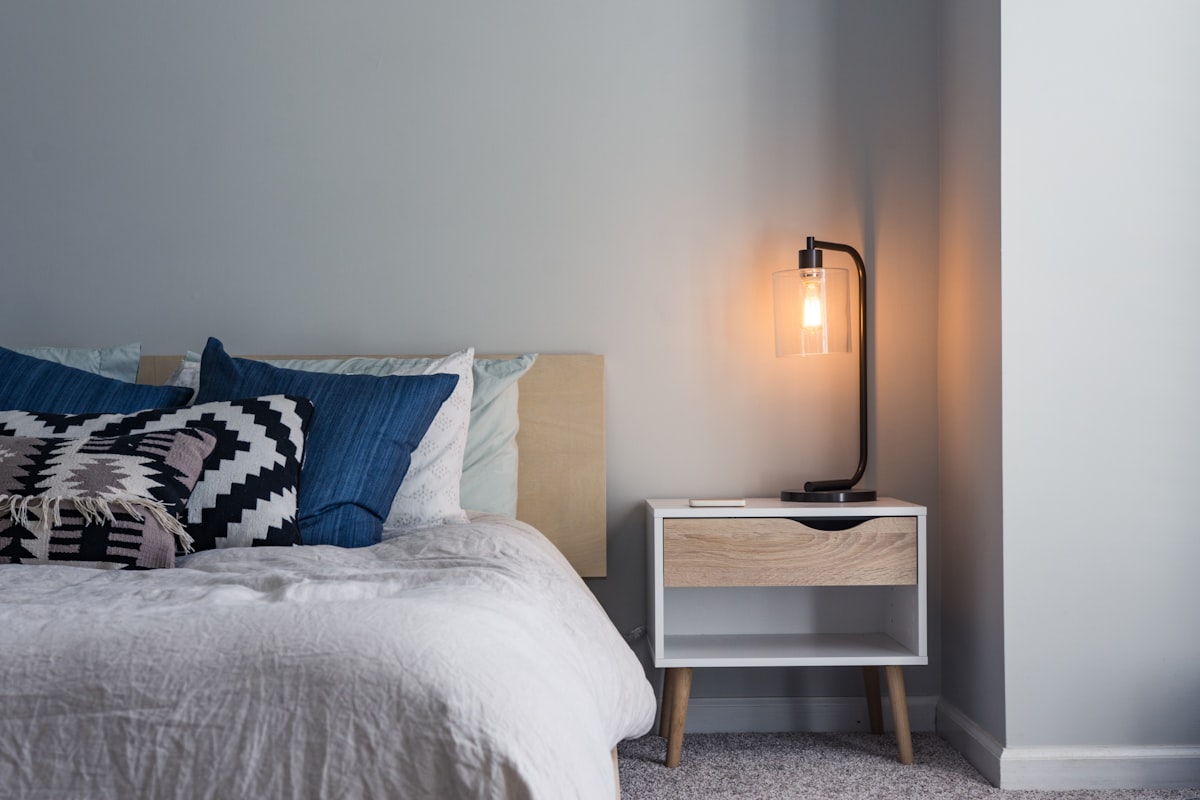
Two identical rooms, identical fittings, identical brightness. One feels calm and expensive; the other feels like a clinic. The variable is colour temperature, and it is routinely the last thing decided and the first thing regretted.
It is measured in kelvin, and the scale runs counter-intuitively: low numbers are warm and orange, high numbers are cool and blue. 2700K is an old filament bulb. 6500K is overcast daylight. Almost everything in a home belongs between 2700K and 4000K.
What each temperature actually does to a room
| Temperature | Character | Use it for | Avoid it in |
|---|---|---|---|
| 2700K | Deep warm, distinctly amber | Bedrooms, lounges, decorative fittings, restaurants | Kitchens, offices, anywhere with cool grey or white finishes |
| 3000K | Warm white, still clean | Living rooms, majlis, corridors, hospitality, most residential | Detailed task work, clinical spaces |
| 3500K | Neutral warm | Transitional spaces, retail, mixed-use | Rarely wrong, rarely exciting |
| 4000K | Neutral white, alert | Kitchens, bathrooms, home offices, garages, retail display | Bedrooms, lounges, dining, anywhere for relaxing |
| 5000K+ | Cool, blue-white | Workshops, garages, task-critical work | Any living space |
Room by room
Living room and majlis — 3000K
These rooms are used mostly after dark and mostly for sitting. Warm light flatters skin, upholstery and timber, and reads as evening. 4000K here is the most common mistake in UAE fit-outs and the one that most reliably makes an expensive room feel like a showroom.
Kitchen — 3000K or 4000K, decided by the plan
This is the only genuinely difficult room. A closed kitchen used for real cooking benefits from 4000K: better task visibility, better colour judgement on food. But in an open-plan kitchen that shares a sightline with the living area, 4000K creates a visible cold zone at one end of the room. In open plan, use 3000K throughout and get the task visibility from output and placement instead.
Bedroom — 2700K to 3000K
Warm, and dimmable. Cooler light suppresses melatonin, which is a real effect and not marketing. 2700K on bedside and decorative fittings with 3000K on the general layer works well. If the room includes a dressing area, 3000K with CRI 90+ is the right compromise — you need to be able to tell navy from black.
Bathroom — 3000K general, 4000K at the mirror
The mirror is a task position and deserves its own treatment: 4000K, CRI 90+, and lit from both sides at face height rather than from above. Overhead-only bathroom lighting throws shadows into the eye sockets and under the chin, which is why hotel bathrooms are lit from the sides.
Home office — 4000K
Neutral white supports alertness and colour accuracy on screen work. Keep it on the desk rather than flooding the room, and keep it separate from any adjoining living space.
Outdoors — 2700K to 3000K
Warm light flatters planting, stone and timber. Anything cooler renders greenery grey and makes a garden look like a car park. This is also where colour consistency matters most, because exterior fittings are seen against each other across an entire elevation.
CRI: the number that matters more than kelvin
Colour Rendering Index measures how accurately a light source shows colour compared with natural light, on a scale to 100. It is a separate axis from colour temperature — you can have a warm light with terrible rendering, and it will make a beautiful room look dusty.
- CRI 80–85: acceptable for corridors, storage, garages, plant rooms.
- CRI 90+: the correct specification for any living space. Reds, timber and skin tones need it. This is the difference between fabric looking rich and looking tired.
- CRI 95+: worth it for retail display, art lighting, dressing rooms and anywhere colour is being judged for a decision.
Consistency, and the one place mixing is allowed
Within a single visible space, use one colour temperature. The eye adapts to a colour of light and stops noticing it — but it never stops noticing two at once. A 4000K downlight beside a 3000K cove looks like a fault, because it is one.
The legitimate exception is a decorative fitting used deliberately as a warm accent — a 2700K chandelier in a 3000K room reads as candlelight rather than as a mismatch, because it is clearly a different kind of object. Change temperature at a door, not mid-room, and never within one open-plan volume.
Tuneable white
Tuneable-white fittings shift between roughly 2700K and 6000K on a control. In UAE homes, where daylight is intense and the difference between day and evening indoors is extreme, it is genuinely useful — cooler and brighter through the day, warm and low in the evening, from the same installation.
It costs more per fitting, needs compatible drivers and controls, and is worth specifying in living rooms, bedrooms and open-plan spaces. It is not worth it in corridors, bathrooms or utility spaces, where a single fixed temperature is entirely adequate.
From the catalogue
Fittings in matched colour temperatures
Downlights, strip, track and spots supplied at consistent CCT and CRI so a whole scheme comes from one specification.
Browse the catalogueQuestions
Frequently asked
- What colour temperature is best for a UAE home?
- 3000K for most spaces — warm enough to feel domestic in the evening, clean enough not to yellow the white and grey finishes common in the region. Use 4000K in closed kitchens, bathroom mirrors and home offices where task visibility matters, and 2700K for bedrooms and decorative fittings.
- Is 4000K too cold for a living room?
- In a residential living room, yes. 4000K reads as alert and institutional, which is right for a workspace and wrong for a room used for sitting in the evening. It is the most common colour-temperature mistake in UAE fit-outs and the one that most reliably makes an expensive room feel like a showroom.
- What is CRI and what number should I ask for?
- CRI measures how accurately a light shows colour compared with natural light, on a scale to 100. Specify CRI 90 or above for any living space — below that, reds, timber and skin tones visibly flatten. CRI 80–85 is acceptable only for corridors, storage and utility areas.
- Can I mix colour temperatures in one room?
- Generally no. The eye adapts to one colour of light but never stops noticing two at once, so a 4000K downlight beside a 3000K cove reads as a fault. The one exception is a decorative fitting used deliberately as a warm accent, which reads as a different kind of object rather than a mismatch.
- Is tuneable white lighting worth the extra cost?
- In living rooms, bedrooms and open-plan spaces, usually yes — it lets one installation run cooler and brighter by day and warm and low in the evening, which suits the extreme difference between UAE daylight and evening indoors. It is not worth it in corridors, bathrooms or utility spaces, where one fixed temperature is adequate.
Shop the categories