ZIERA
ZIERA
Category
Constant-voltage and constant-current drivers, dimmable and IP-rated.
18 products
The driver is the component that decides how long a lighting installation lasts. LEDs themselves rarely fail outright; drivers do, and in UAE conditions they fail early when they are under-sized, run hot, or buried somewhere they cannot be reached. Nearly every flickering strip, dead cove and dimming incompatibility traces back to the driver rather than the light.
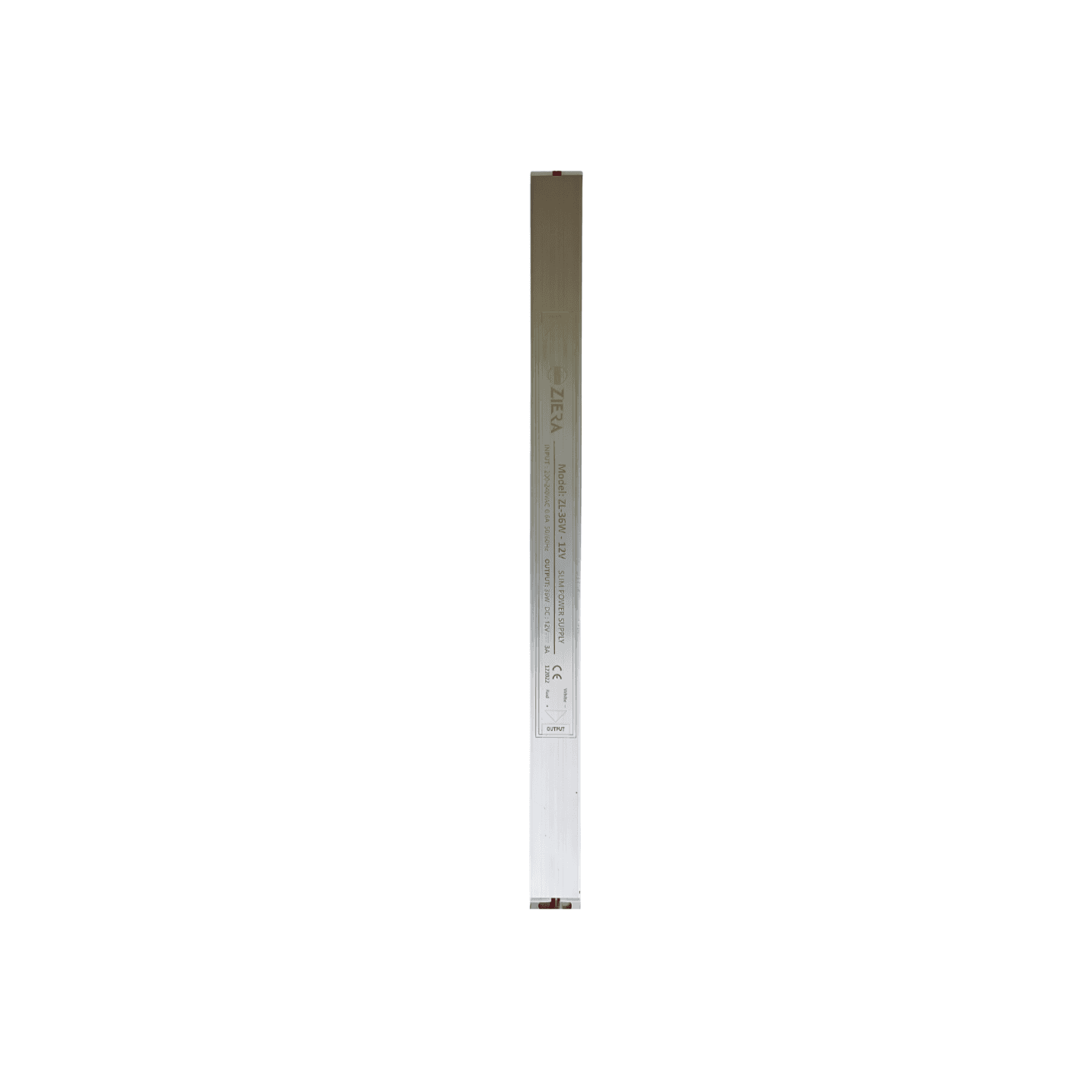
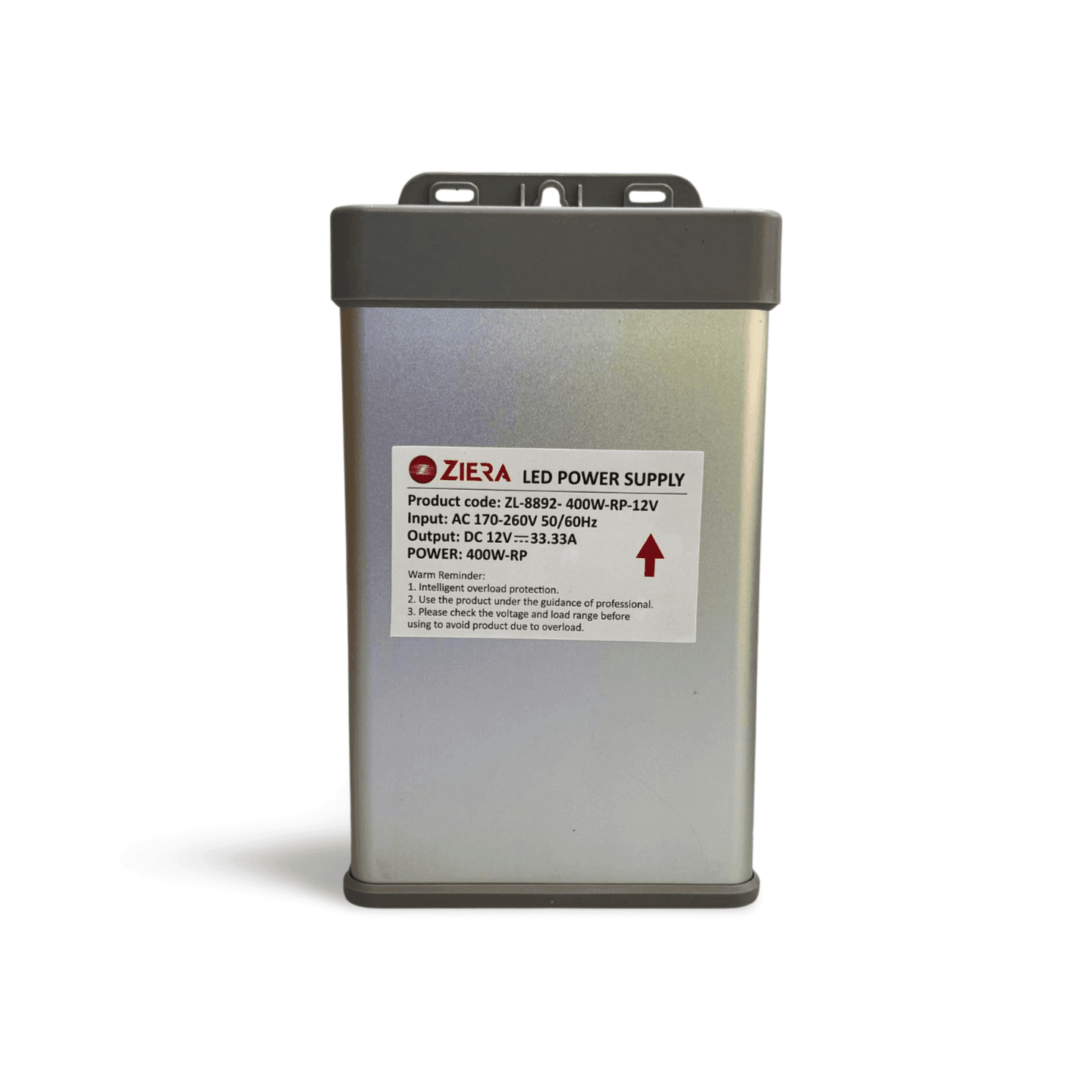
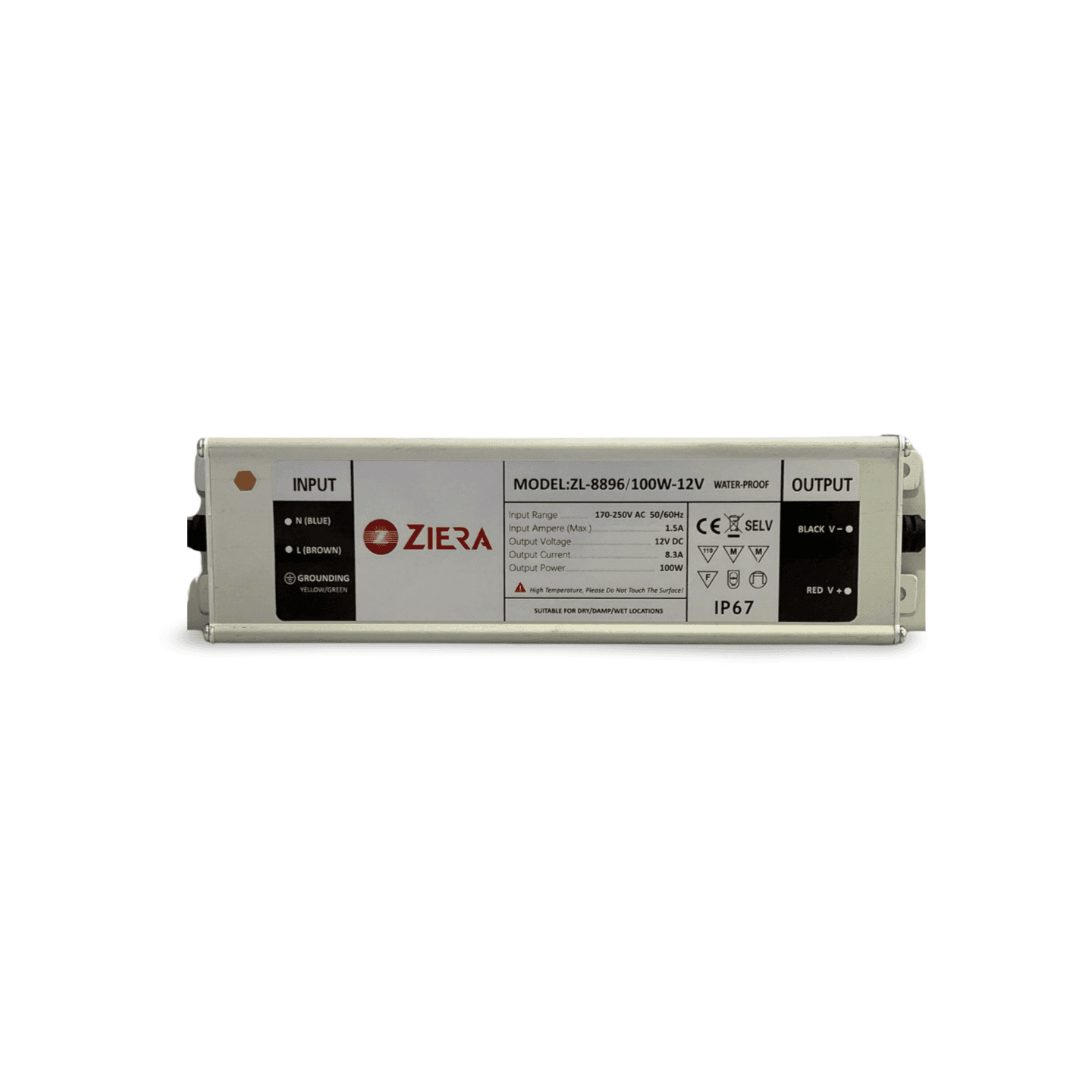
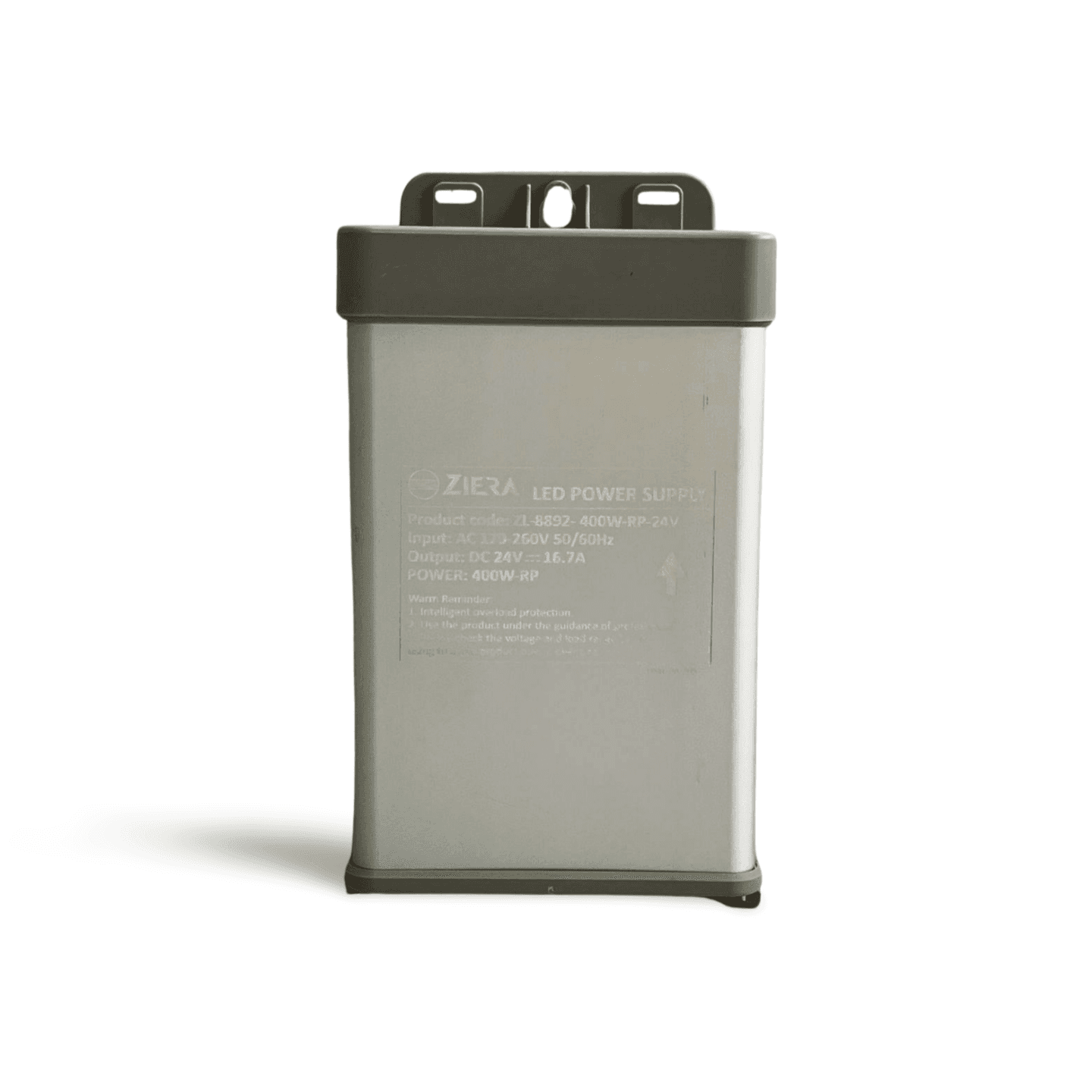
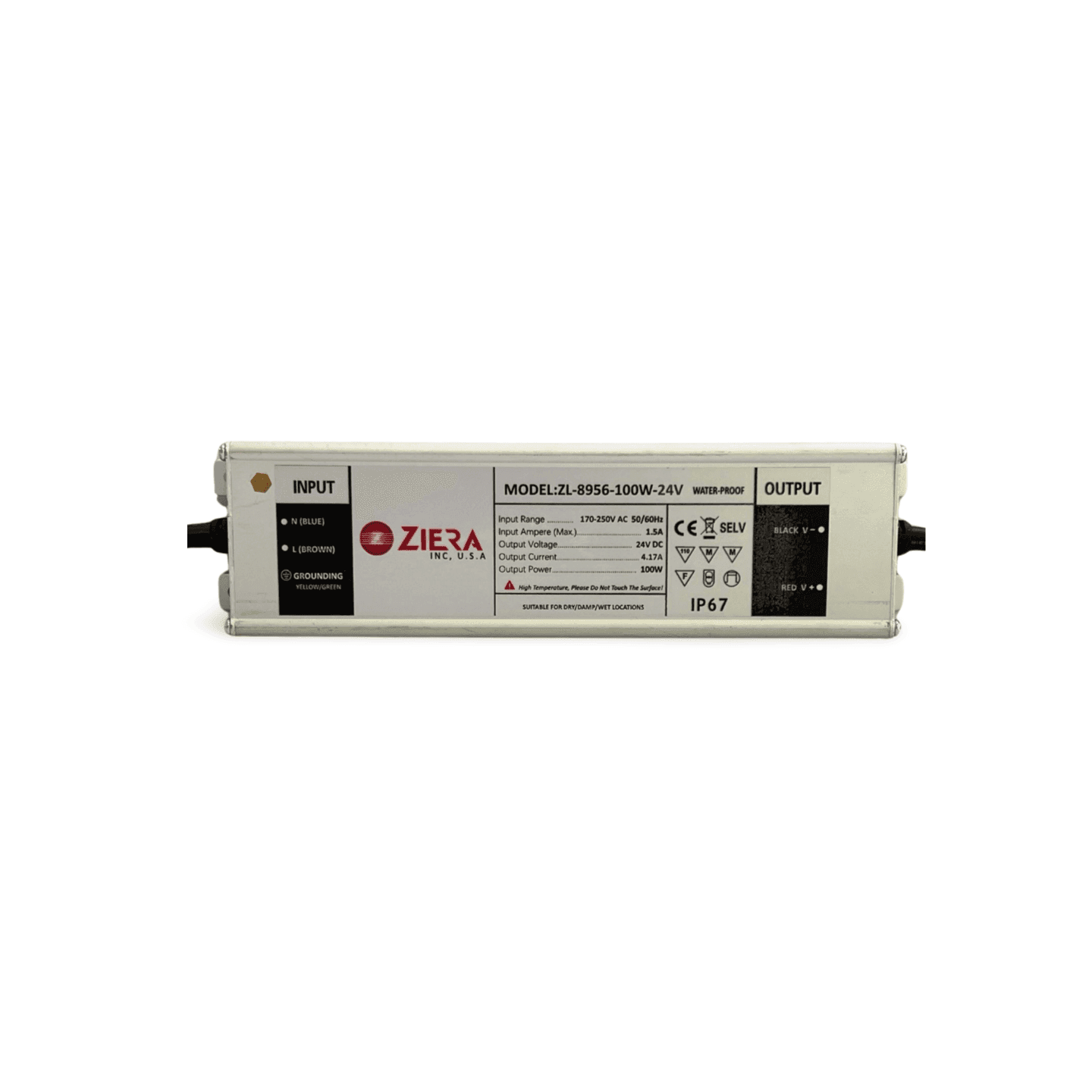
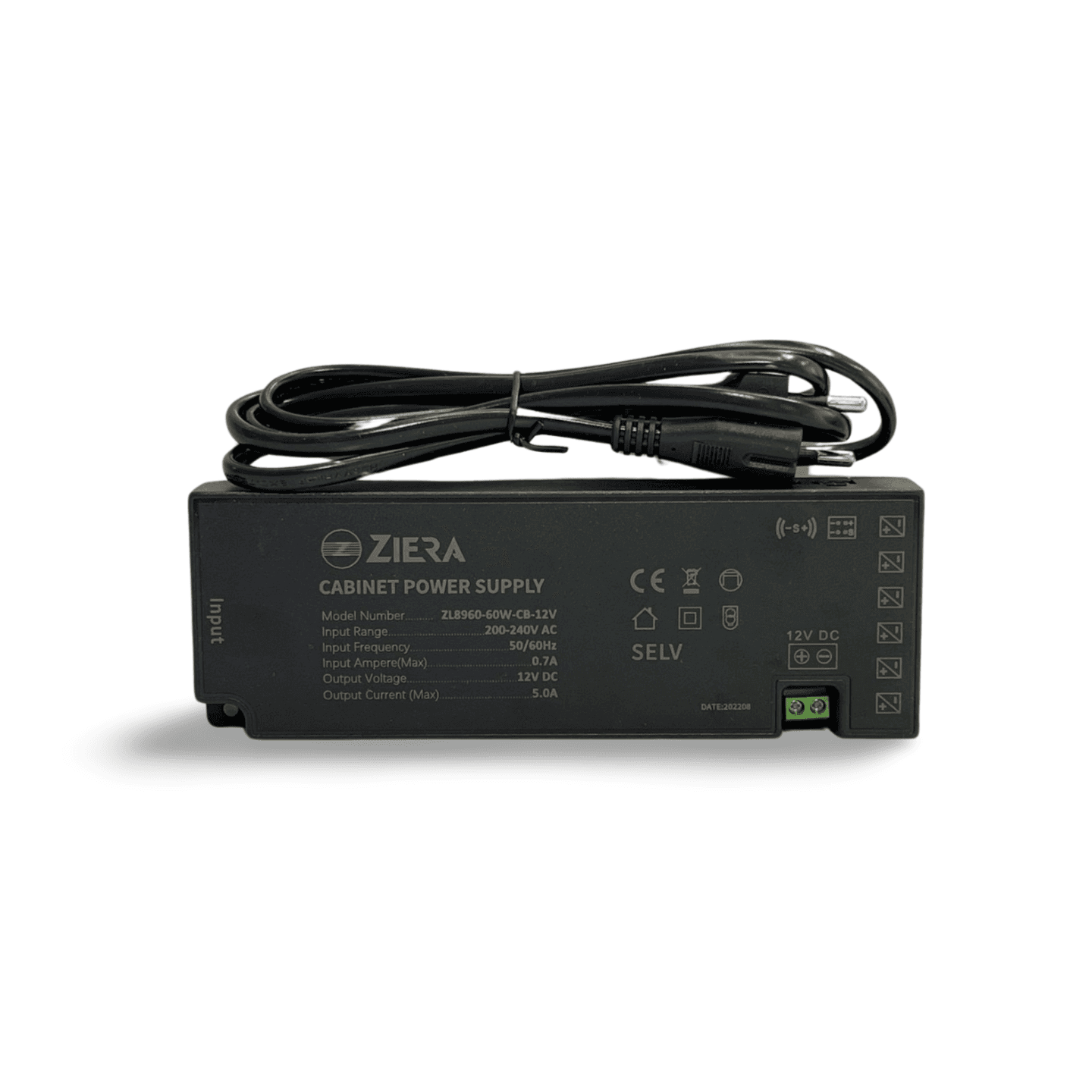
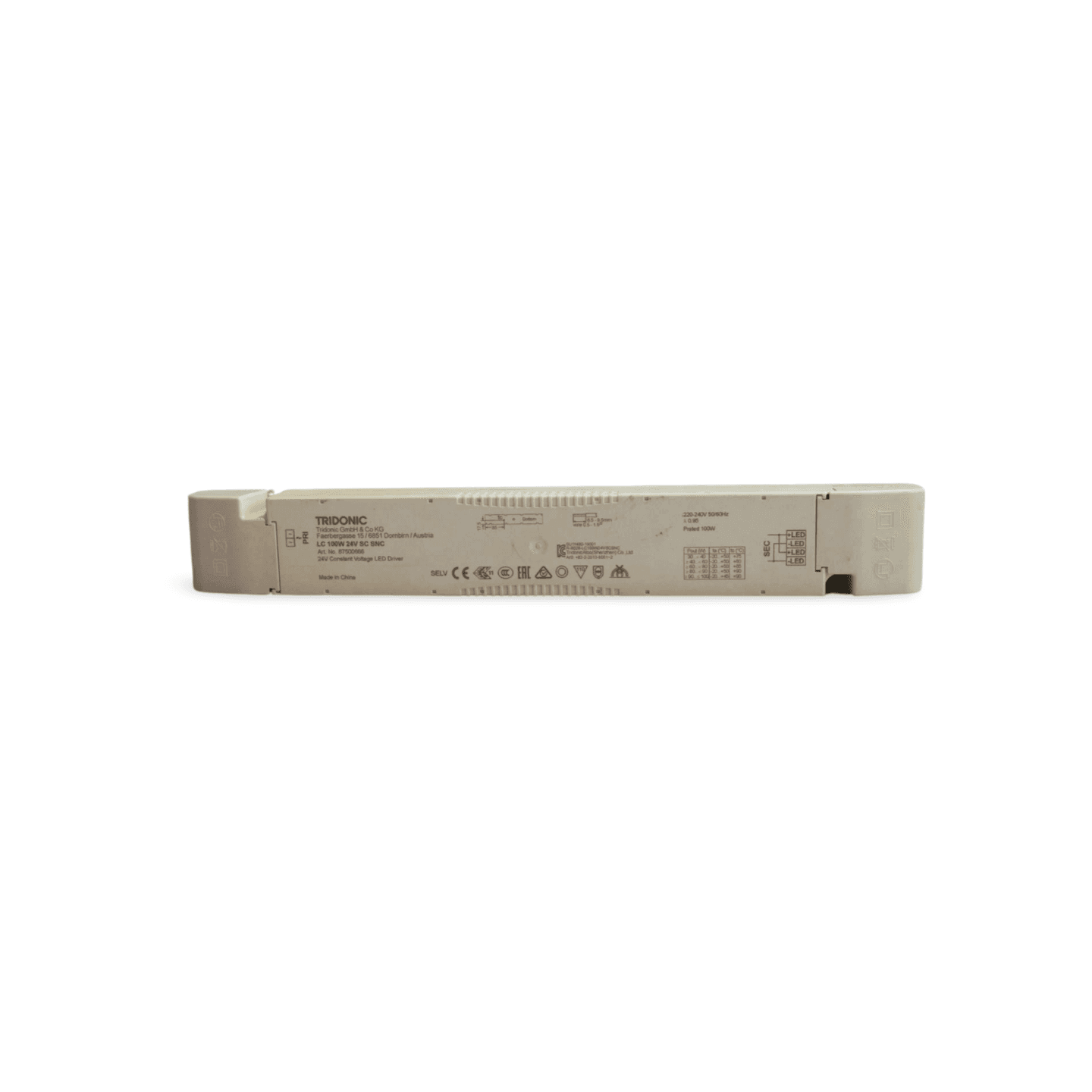
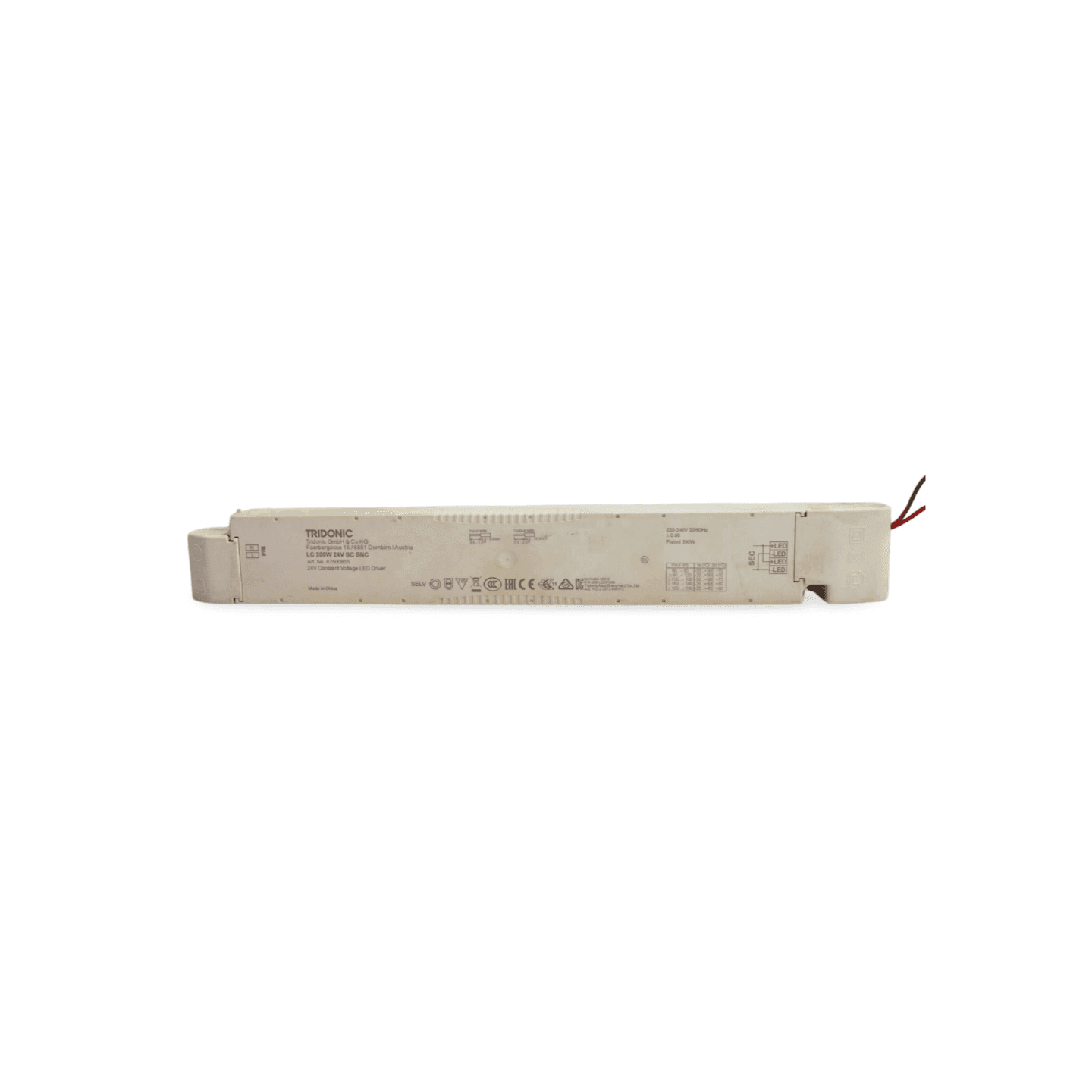
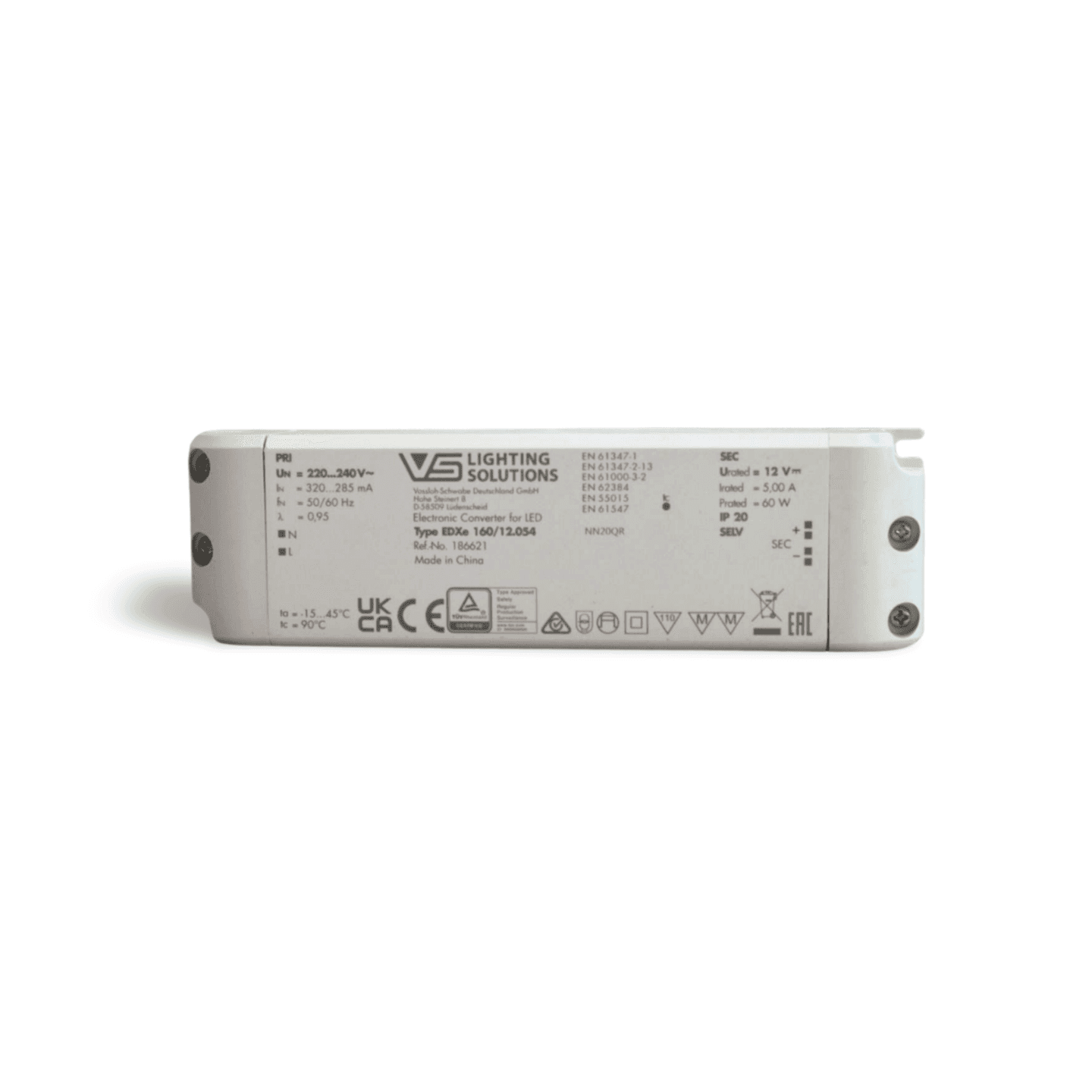
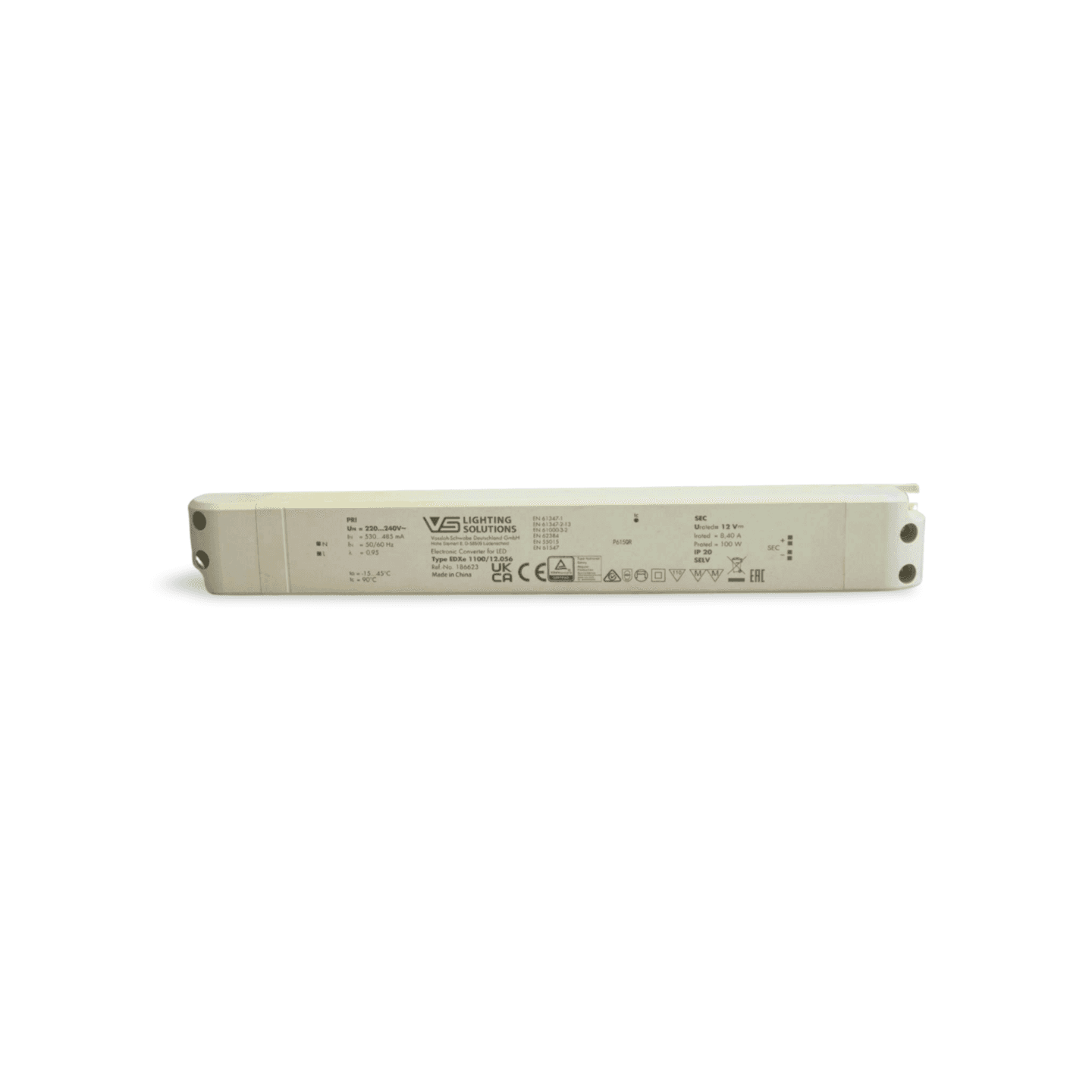
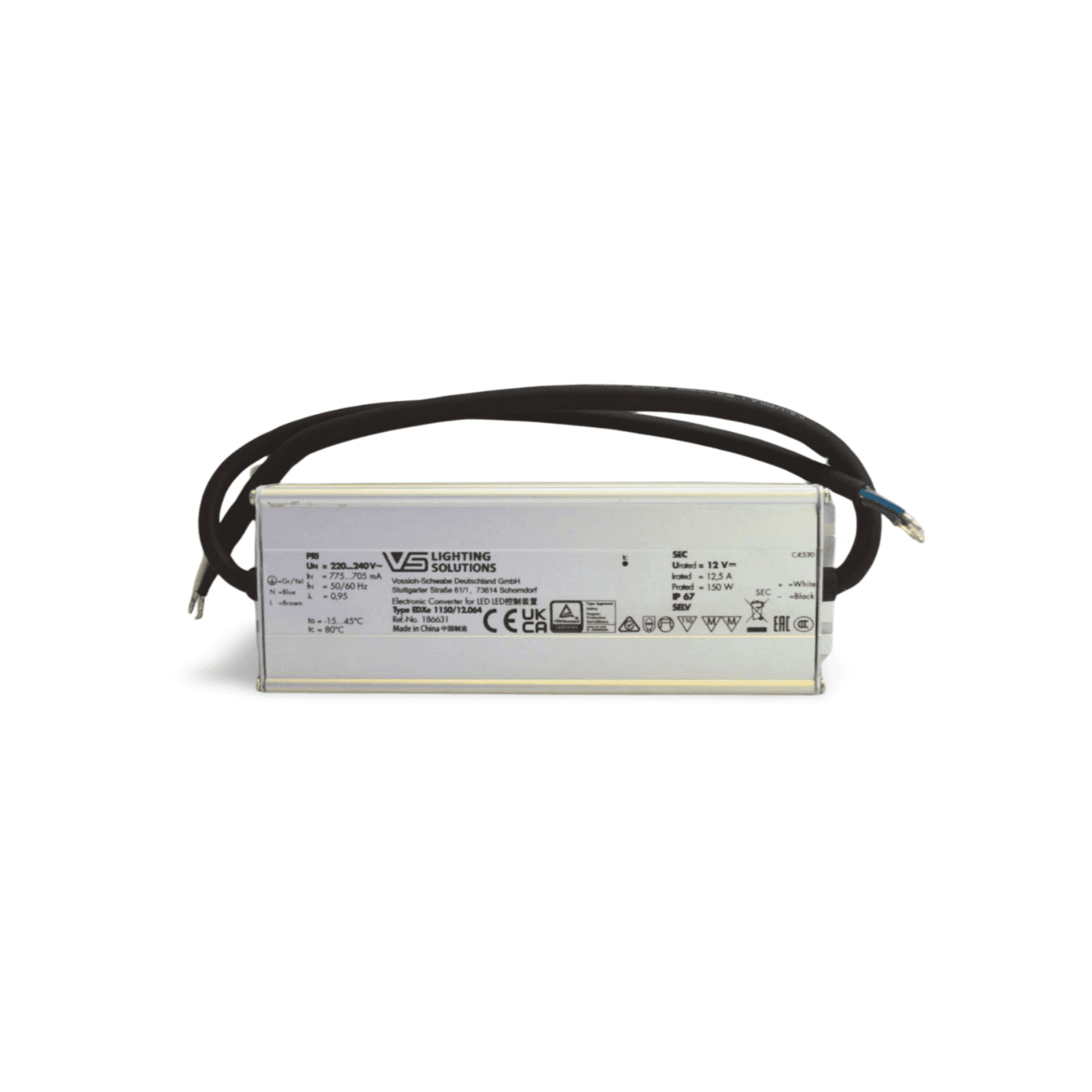
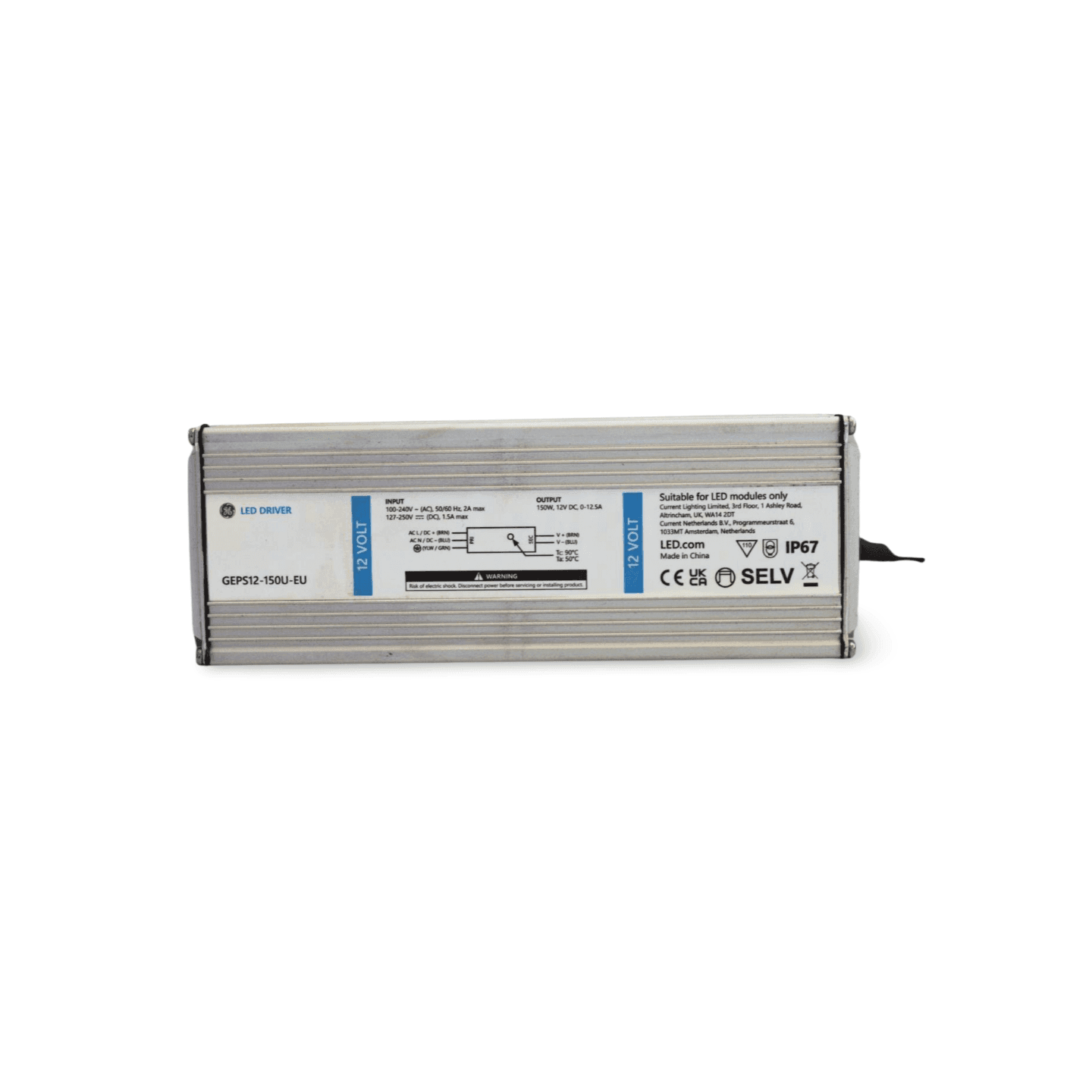
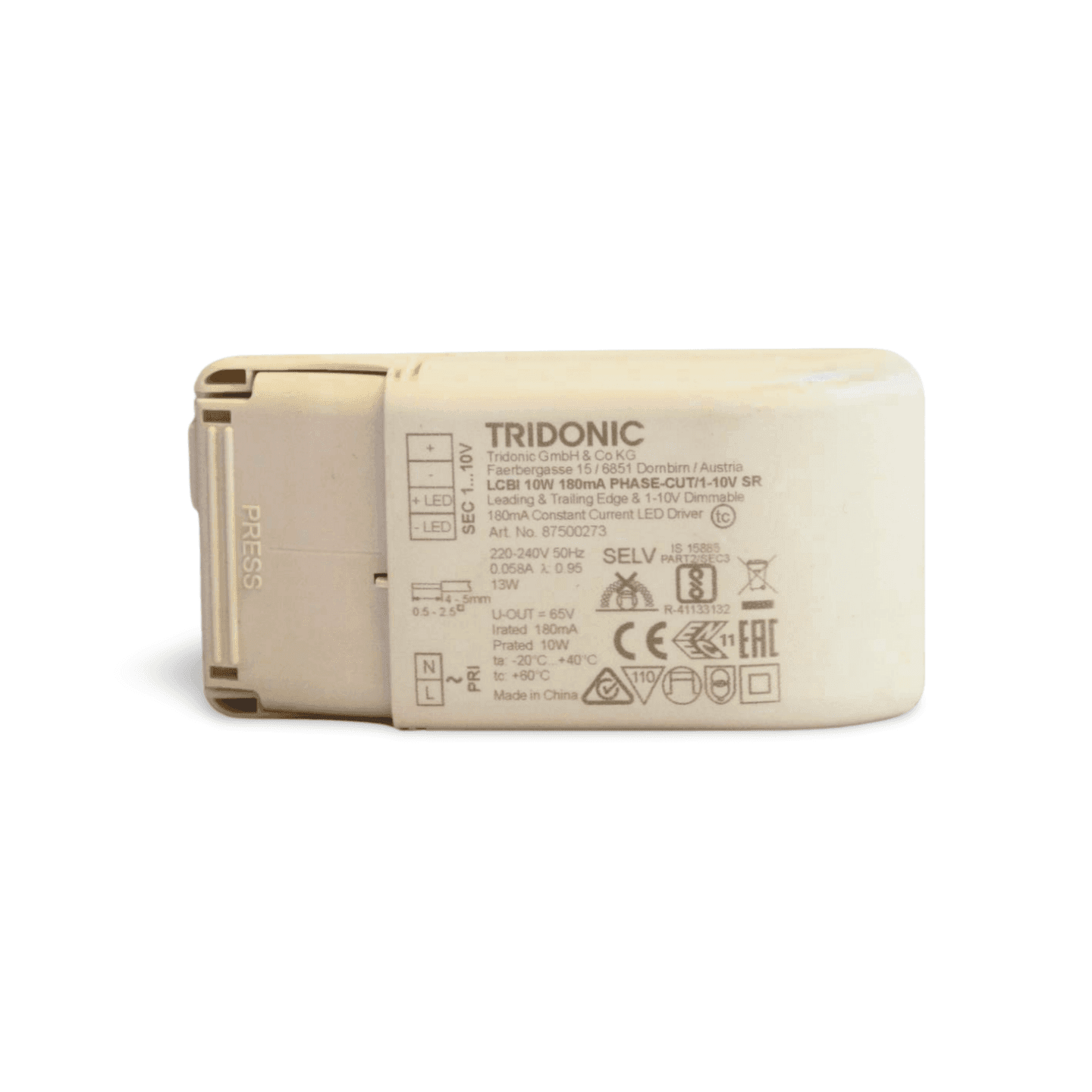
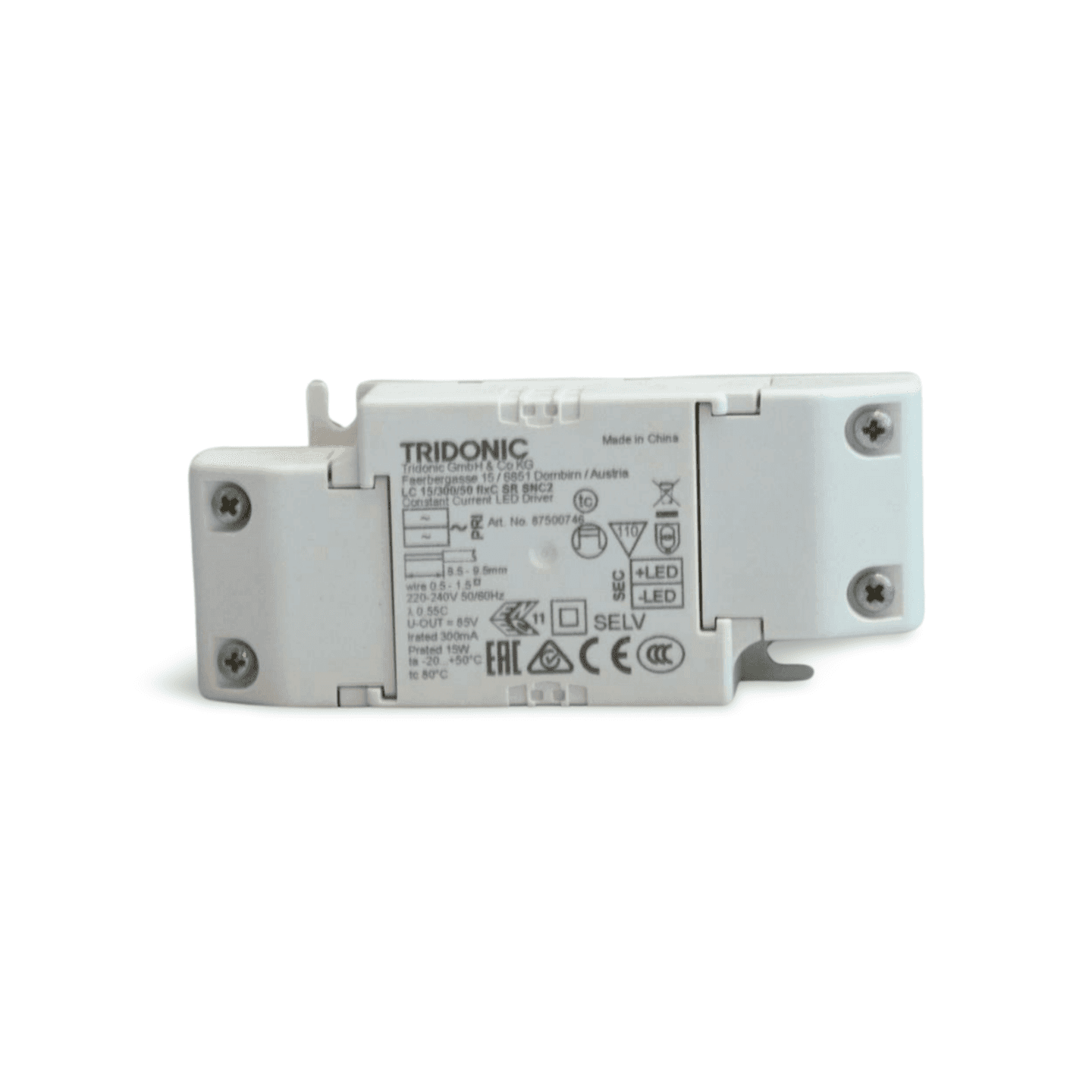
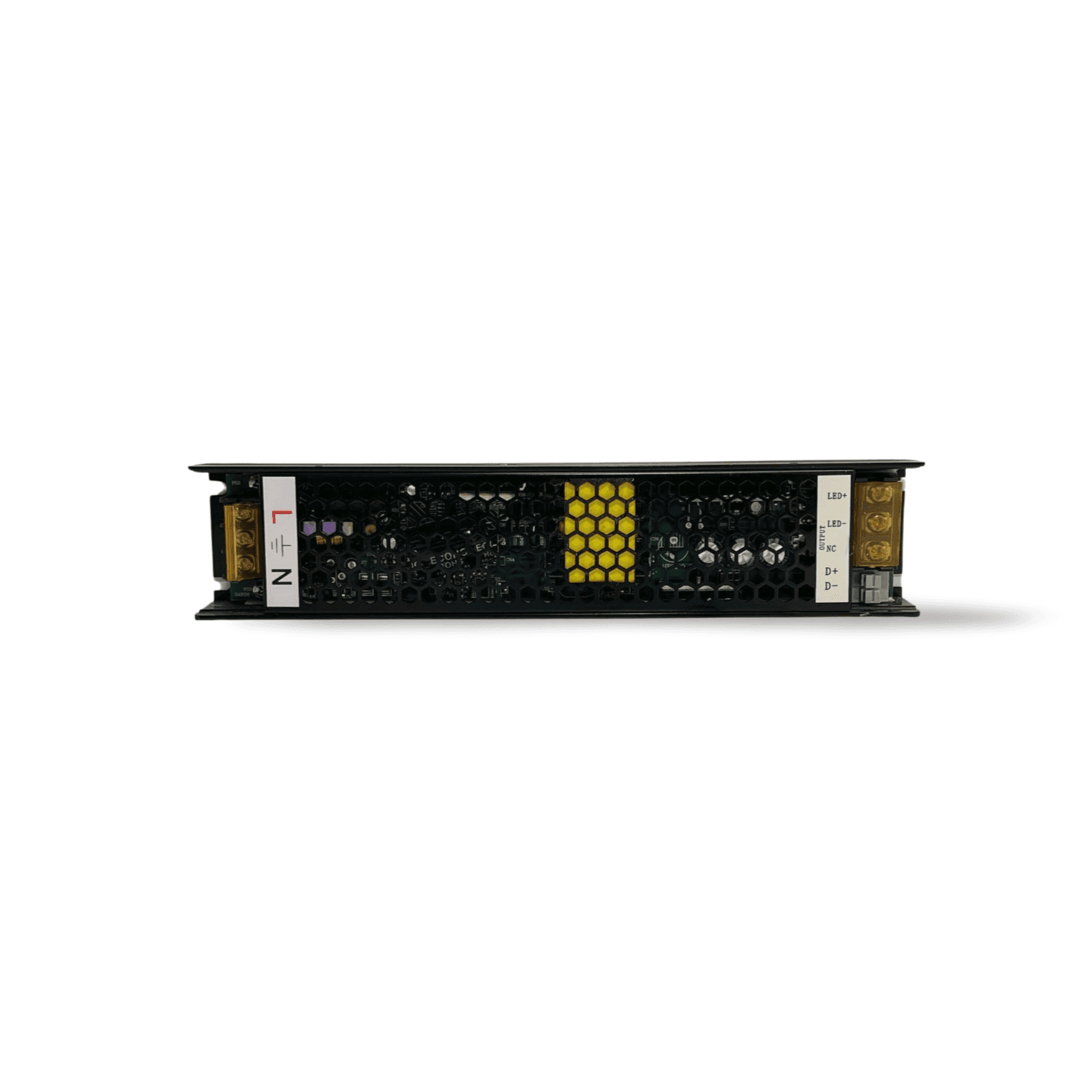
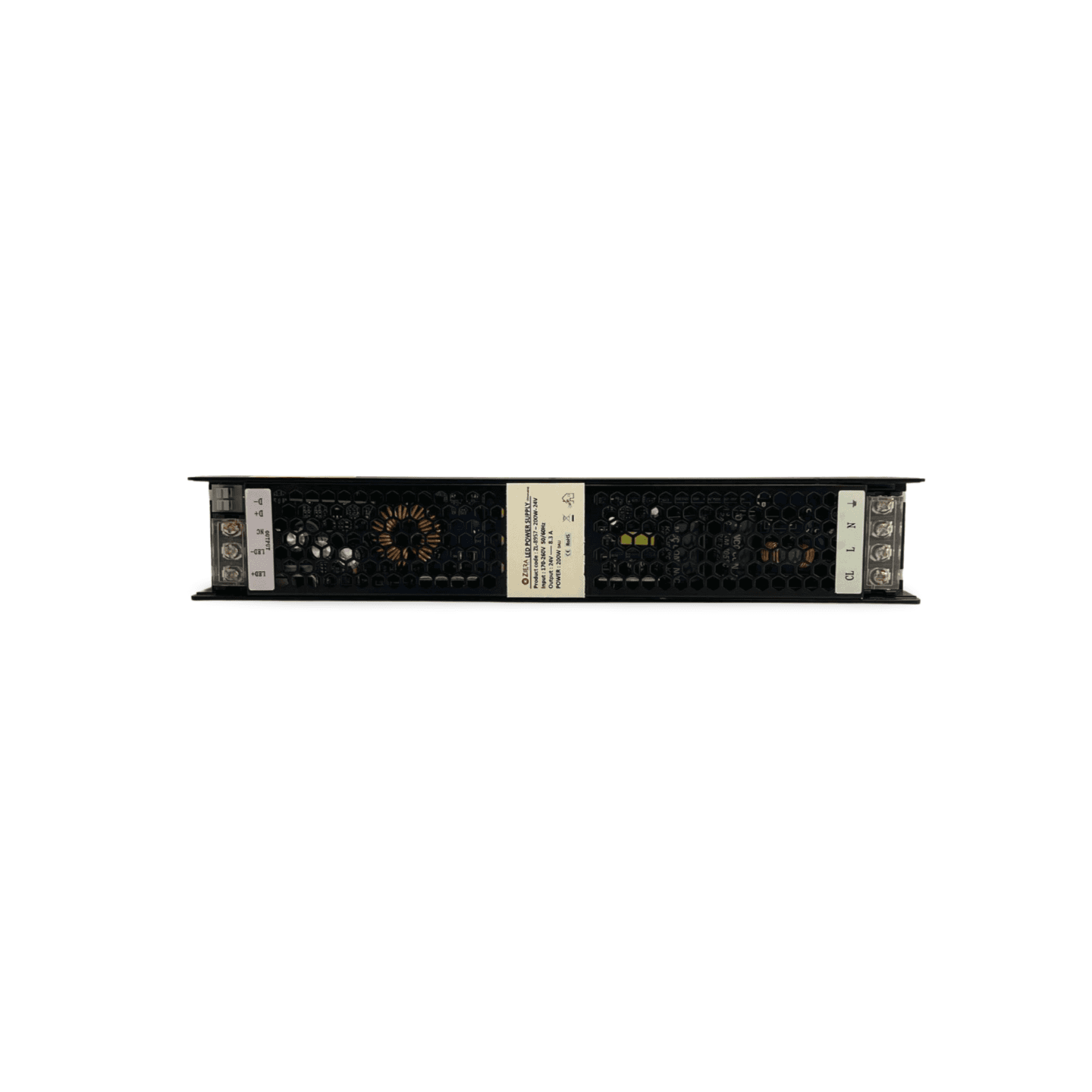
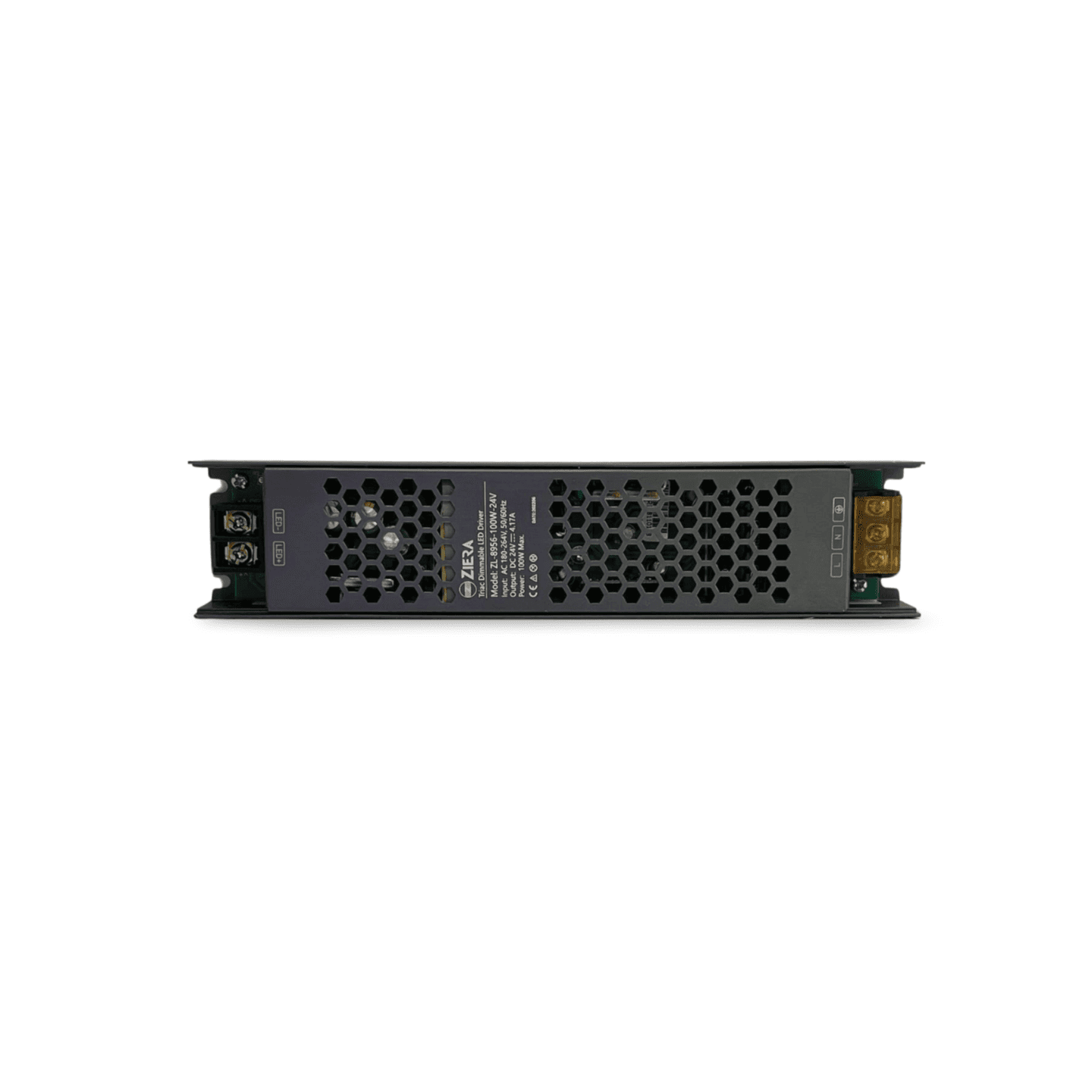
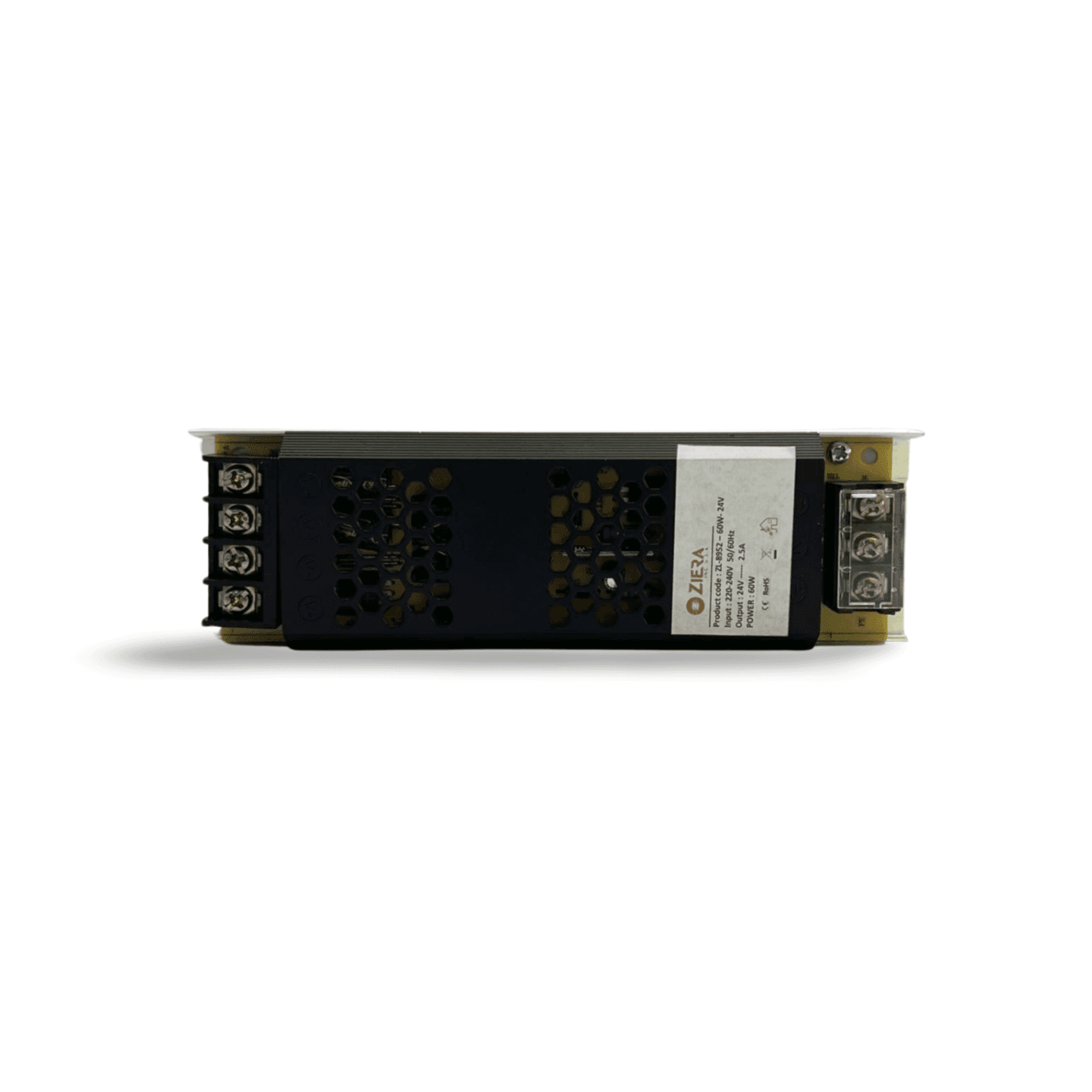
Ziera stocks constant-voltage drivers for strip, profile and magnetic track in 12V, 24V and 48V, and constant-current drivers for downlights, spots and modules, in both non-dimmable and dimmable versions across TRIAC, 0-10V and DALI protocols. IP-rated drivers are available for outdoor and damp locations. Because the drivers come from the same supply as the fittings, dimming compatibility is confirmed before delivery instead of discovered on site.
Specifying
Add up the actual wattage on the circuit and choose a driver rated comfortably above it. A driver run continuously at 100% of its rating heats up, and heat is what kills electrolytic capacitors — the usual failure point. Headroom also means a strip can be extended later without replacing the driver.
Constant-voltage drivers output a fixed 12V, 24V or 48V and suit LED strip, profile and magnetic track, where the load varies with length. Constant-current drivers output a fixed mA and suit individual downlights, spots and modules. They are not interchangeable, and connecting the wrong type damages the fitting.
TRIAC suits simple retrofit installations on existing wall dimmers. 0-10V and DALI suit larger schemes and anything under a control system. The driver, the dimmer and the control system all have to agree — mismatched protocols are the most common cause of flicker, buzzing and a dimmer that only works over part of its travel.
Ziera
AED 35.00
Drivers need airflow and access. Sealed inside an insulated ceiling void or behind fixed joinery, they run hot and fail sooner, and replacing one means cutting into finished work. Specify an accessible location — an access panel, a services void, a plinth compartment — at design stage.
Questions
Ziera supplies villas, hotels and fit-outs across Dubai, Sharjah and the wider UAE, and makes custom pieces where the catalogue does not fit. Send us the drawing or the room and we will come back with a specification and a price.